The Chalice of Christmas Past
Beneath the twinkling lights and medieval banners of Ludlow's Christmas celebration flows a river of liquid history—beverages that once graced the tables of Norman lords and Saxon merchants alike. These are not merely drinks, but vessels of cultural memory, each sip connecting modern visitors to the profound traditions that shaped Britain's festive heritage.
The medieval Christmas table bore little resemblance to today's offerings. Where we might reach for a glass of prosecco, our ancestors raised goblets of mead, that golden elixir of fermented honey that Vikings carried across seas and Anglo-Saxon kings toasted in their great halls. At Ludlow's medieval Christmas market, the ancient art of mead-making lives on through dedicated craftspeople who understand that this amber nectar represents far more than mere refreshment.
Sacred Brews from Monastery Kitchens
The religious houses of medieval England served as guardians of brewing knowledge, their kitchens producing ales and wines that sustained both body and spirit through the darkest months of winter. Monasteries perfected the art of brewing not merely for sustenance, but as acts of hospitality—welcoming pilgrims and travellers with warm, nourishing beverages that embodied Christian charity.
These monastic traditions find remarkable expression in Ludlow's Christmas celebration, where visitors can sample ales crafted according to recipes that echo through centuries. The Brothers of Shrewsbury Abbey once brewed similar concoctions, using herbs and spices that transformed simple grains into liquid warmth capable of fortifying both peasant and nobleman against winter's bite.
The Wassail Bowl's Sacred Circle
Perhaps no medieval Christmas tradition captures the communal spirit of the season quite like wassailing. This ancient custom, rooted in Anglo-Saxon culture, transformed drinking from individual consumption into collective celebration. The wassail bowl, passed from hand to hand, carried wishes for health, prosperity, and good fortune—"waes hael" meaning "be whole" in Old English.
At Ludlow's medieval Christmas, the wassail tradition experiences renaissance. Visitors gather around steaming bowls filled with ale, cider, and warming spices, participating in rituals that their ancestors performed in the very same Shropshire countryside. The ceremony transcends mere drinking; it becomes an act of community building, where strangers become neighbours and the medieval spirit of hospitality flourishes.
Hippocras: The Noble's Nectar
Among the most sophisticated beverages of medieval Christmas was hippocras, a spiced wine that graced the tables of nobility and wealthy merchants. Named after Hippocrates, this aromatic blend combined wine with cinnamon, ginger, cloves, and other precious spices imported from distant lands. The preparation of hippocras became an art form, with each household guarding its secret proportions like treasured heirlooms.
Modern visitors to Ludlow's Christmas celebration can experience authentic hippocras, prepared by vendors who have studied historical recipes with scholarly dedication. These craftspeople understand that hippocras represented more than luxury—it symbolised medieval England's connection to the wider world, its participation in trade networks that stretched from the Mediterranean to the Indies.
The Evolution of Mulled Wine
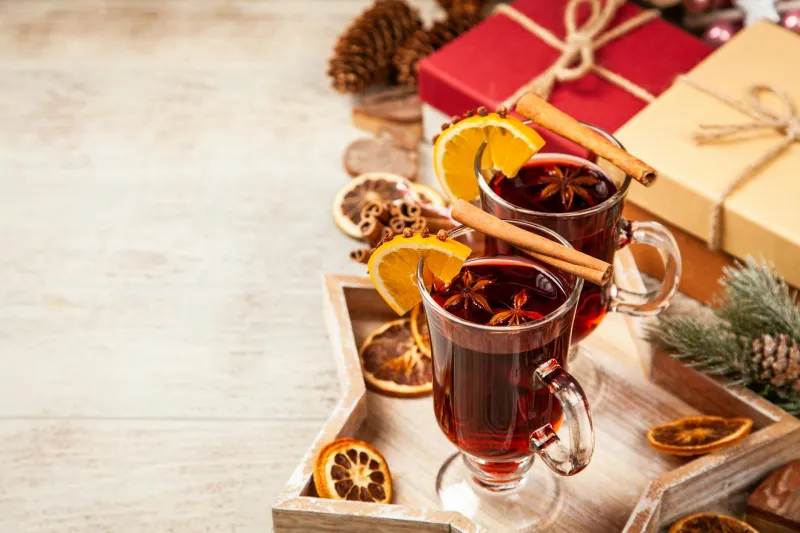
While mulled wine feels thoroughly contemporary, its roots extend deep into medieval soil. The practice of warming wine with spices emerged from practical necessity—medieval wine often proved harsh and acidic, requiring enhancement to become palatable. Spices not only improved flavour but served medicinal purposes, their warming properties considered essential for maintaining health during winter months.
The transformation from medieval spiced wine to modern mulled wine represents culinary evolution at its finest. At Ludlow's Christmas market, vendors offer both traditional medieval preparations and contemporary interpretations, allowing visitors to taste history's progression in liquid form. Each cup tells a story of cultural adaptation, showing how fundamental human needs—warmth, comfort, celebration—find expression across centuries.
Ale Houses and Social Bonds
Medieval ale houses served as more than drinking establishments; they functioned as community centres where news travelled, business conducted, and social bonds forged. During Christmas season, these gathering places became focal points for celebration, their hearths warming bodies while their beverages warmed spirits.
Ludlow's medieval Christmas recreates this atmosphere, transforming the town's historic streets into a network of informal ale houses where visitors can experience the social dimensions of medieval drinking culture. The emphasis falls not on consumption but on connection—the way shared beverages create shared experiences and transform individual visitors into temporary communities.
The Modern Medieval Experience
Today's visitors to Ludlow's medieval Christmas celebration encounter beverages that bridge past and present with remarkable authenticity. Local vendors work with historians and food archaeologists to ensure accuracy while adapting recipes for contemporary tastes and safety standards. The result offers genuine historical experience without sacrificing modern expectations of quality and flavour.
These dedicated craftspeople understand that their work preserves more than recipes—they maintain living connections to medieval culture, keeping ancient traditions alive through direct sensory experience. When visitors raise goblets of mead or share wassail bowls, they participate in rituals that have bound communities together for over a thousand years.
The beverages flowing through Ludlow's Christmas celebration represent cultural continuity at its most profound level. They remind us that while technologies change and societies evolve, the fundamental human need for warmth, community, and celebration remains constant. In each carefully prepared cup lies the wisdom of centuries, the hospitality of generations, and the enduring magic of Christmas itself.