The Hidden Workshop of Medieval Dreams
Beneath the cobblestones of Ludlow's historic streets lies a story of extraordinary dedication—one that begins not with the first notes of medieval music or the clatter of hooves on ancient stone, but in workshops, spare bedrooms, and community halls across Shropshire months before the first visitor arrives.
The transformation of Ludlow into Britain's most authentic medieval Christmas celebration requires an army of devoted artisans, historians, and performers whose commitment to historical accuracy borders on the obsessive. These are the unsung heroes who spend their evenings researching 14th-century weaving techniques, their weekends learning forgotten crafts, and their holidays perfecting the art of medieval storytelling.
The Scholar Warriors: Research as Foundation
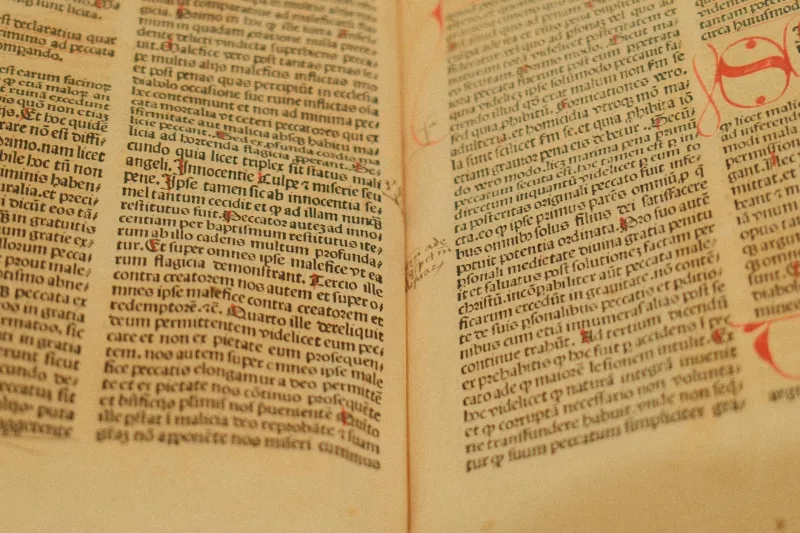
For Sarah Pemberton, a history teacher from Shrewsbury who portrays a medieval apothecary, preparation begins in January with visits to the British Library and consultations with academic historians. "People assume we simply don period costume and play pretend," she explains, "but authentic portrayal demands understanding everything from the correct pronunciation of Middle English to the precise way a merchant would handle their scales."
The research process extends far beyond individual preparation. The Ludlow Medieval Christmas Committee maintains an extensive historical advisory board, including archaeologists from the University of Birmingham and textile historians from the Victoria and Albert Museum. Every costume, every prop, every performance must pass rigorous historical scrutiny before earning its place in the celebration.
Dr. Marcus Hartwell, the festival's chief historical consultant, describes the challenge: "We're not creating a Hollywood version of the medieval period. We're reconstructing a specific moment in Ludlow's history, with all its complexities and contradictions. That requires scholarship, not just enthusiasm."
The Master Craftspeople: Where Ancient Skills Meet Modern Dedication
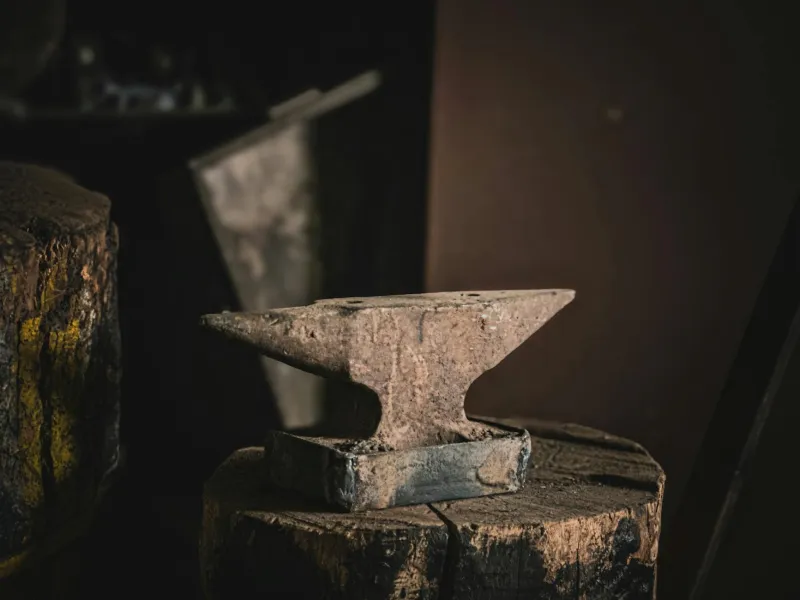
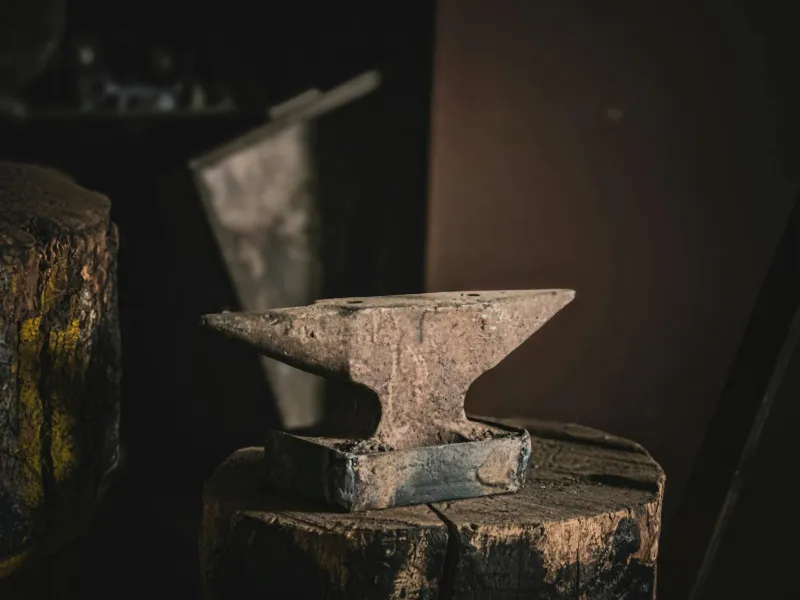
In a converted barn outside Craven Arms, blacksmith Thomas Wickham spends six months each year forging the swords, horseshoes, and household implements that will populate Ludlow's medieval marketplace. His anvil rings with the same rhythm that echoed through these Welsh borders seven centuries ago, yet his techniques have been painstakingly reconstructed from archaeological evidence and surviving medieval manuscripts.
"Modern blacksmithing bears little resemblance to medieval methods," Wickham explains, his hands blackened from the forge. "I've had to unlearn contemporary techniques and master tools that fell out of use during the Industrial Revolution. It's archaeology through practice."
The same dedication drives seamstress Margaret Thornfield, whose tiny cottage near Ludlow Castle has become a repository of medieval textile knowledge. Her collection of hand-woven fabrics, natural dyes, and period-appropriate patterns represents years of collaboration with historians and textile archaeologists.
"Each stitch tells a story," Thornfield notes, examining a merchant's gown that will grace the Christmas market. "The weave, the dye, even the thread itself must reflect what would have been available to a trader in 1348. Modern synthetic materials simply won't do."
The Theatrical Alchemists: Bringing Characters to Life
While historians research and craftspeople create, the performers face perhaps the greatest challenge: inhabiting characters from a world vastly different from our own. This requires not just acting ability, but deep cultural understanding.
James Morrison, who portrays a court herald, spends months perfecting the formal announcements that will echo through Ludlow's streets. "Medieval communication followed strict protocols," he explains. "A herald wasn't simply a town crier—he was a diplomat, a keeper of ceremony, a voice of authority. Getting it wrong would be historically dishonest."
The challenge multiplies for those portraying working-class characters. Maria Santos, a teacher from Telford who becomes a medieval baker during the festival, has learned to grind flour by hand, understand medieval measurements, and speak with the accent and vocabulary appropriate to her character's station.
"It's method acting taken to historical extremes," Santos laughs. "I've read medieval cookbooks, studied grain varieties, even learned to calculate prices in pre-decimal currency. When children ask how I make my bread, I want to give them an answer their medieval counterpart would have received."
The Community Builders: Sustaining Medieval Magic
Beyond individual dedication lies the remarkable community spirit that sustains Ludlow's medieval Christmas year after year. Monthly workshops throughout the calendar bring together performers, craftspeople, and historians to share knowledge and maintain standards.
Coordinator Helen Bradshaw describes the collaborative atmosphere: "We've created something unique—a community of practice where a retired engineer might learn medieval carpentry alongside a professional historian researching 14th-century agriculture. The shared commitment to authenticity creates extraordinary bonds."
This community extends beyond Shropshire's borders. The Ludlow celebration has attracted participants from across Britain, each bringing specialised knowledge and skills. A medieval music ensemble from York collaborates with Cornish storytellers, while Welsh craftspeople share techniques with Scottish historians.
The Legacy Keepers: Preserving the Past for the Future
As Ludlow's medieval Christmas enters its second decade, the dedication of its creators has produced something remarkable: a living repository of historical knowledge and traditional skills. Apprentice programmes ensure that crafts like medieval blacksmithing and natural dyeing will survive for future generations.
"We began wanting to create an authentic medieval Christmas experience," reflects festival founder Robert Matthews. "What we've actually created is a community of scholars, craftspeople, and performers whose combined knowledge represents one of Britain's most comprehensive recreations of medieval life."
The true magic of Ludlow's medieval Christmas lies not in the spectacle itself, but in the extraordinary human effort that makes it possible. Behind every perfectly crafted costume, every historically accurate performance, every authentic medieval craft demonstration stands an individual whose dedication to historical truth transforms academic knowledge into living experience.
When visitors walk through Ludlow's transformed streets this Christmas, they encounter not mere entertainment, but the fruits of genuine scholarship and craftsmanship—a community's gift of historical authenticity that brings the medieval world briefly, brilliantly, back to life.