The Lord's Table: Christmas Feasting at Ludlow Castle
Within the stone walls of Ludlow Castle, Christmas in the late 15th and early 16th centuries transformed the fortress into a beacon of festive splendour. The castle's great hall, where the Council of the Marches would later convene, became the stage for elaborate Yuletide celebrations that reflected both the wealth and political importance of this border stronghold.
Historical records from the castle archives reveal that Christmas feasts began on Christmas Eve and continued through Twelfth Night, creating a fortnight of revelry that reinforced social hierarchies whilst providing respite from the harsh winter months. The lord's table groaned under the weight of roasted peacocks, their feathers carefully replaced for presentation, alongside haunches of venison from the surrounding Mortimer Forest and great pies filled with exotic spices imported through the wool trade routes.
The ceremony of bringing in the boar's head marked the pinnacle of these celebrations. This ancient tradition, accompanied by specific carols and processions, demonstrated the castle's connection to pre-Christian customs that had been carefully woven into the Christian calendar. Musicians from across the Welsh Marches would gather to perform, their instruments echoing through the stone corridors as nobles danced and feasted beneath tapestries depicting winter scenes.
Sacred Seasons: Religious Observance in Medieval Ludlow
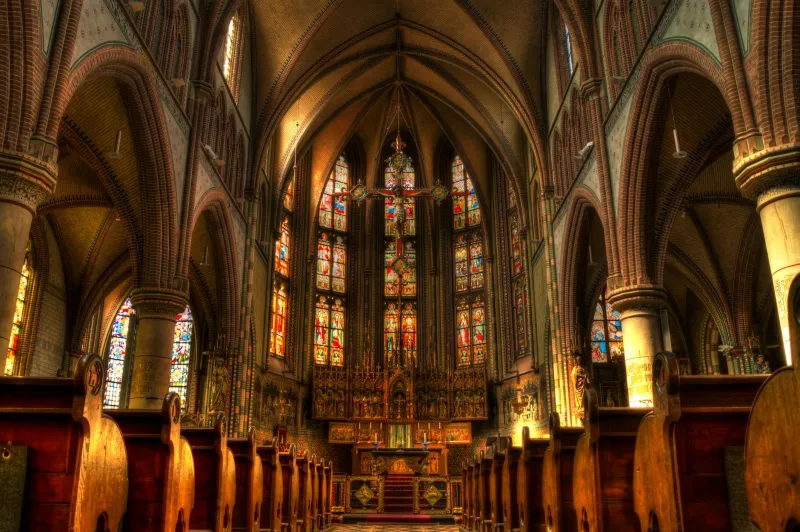
For the townspeople below the castle walls, Christmas began with the solemn beauty of religious observance. St Laurence's Church, already ancient by medieval standards, served as the spiritual heart of Ludlow's Christmas celebrations. The church's impressive size reflected the town's prosperity, and its Christmas services drew worshippers from surrounding villages.
Medieval Christmas in Ludlow followed the liturgical calendar with precision. Advent brought fasting and preparation, whilst the Feast of St Nicholas on 6th December marked the beginning of the gift-giving season. Children would leave their shoes by the church door, hoping to find small tokens—perhaps a carved wooden toy or precious sweetmeats—left by the saint's intercession.
The tradition of mystery plays flourished in Ludlow's streets during this period. Local guilds—the drapers, mercers, and smiths who made the town prosperous—took responsibility for different biblical scenes. These performances, conducted in the vernacular rather than Latin, made the Christmas story accessible to all social classes and created a shared cultural experience that bound the community together.
Market Day Merriment: How Ordinary Families Celebrated
Beyond the castle walls and church services, ordinary Ludlow families created their own Christmas magic within more modest means. The town's position as a major wool trading centre meant that even common households enjoyed relative prosperity, allowing for special Christmas preparations that would have been impossible in poorer settlements.
Brewing special Christmas ales became a household tradition, with recipes passed down through generations. These stronger, spiced brews were reserved for the festive season and often shared with neighbours as a gesture of goodwill. Archaeological evidence from medieval Ludlow suggests that households also prepared preserved fruits and nuts, creating early versions of what we might recognise as Christmas puddings.
The tradition of wassailing—visiting neighbours with songs and good wishes in exchange for food and drink—thrived in medieval Ludlow's close-knit community. Groups of young people would travel from house to house, carrying wooden bowls and singing traditional carols that mixed Christian themes with older folk traditions celebrating the return of light during the darkest time of year.
Games and Diversions: Medieval Christmas Entertainment
Winter entertainments in medieval Ludlow reflected both the season's constraints and the community's creativity. With agricultural work suspended and daylight hours limited, Christmas provided an opportunity for elaborate games and festivities that might otherwise interfere with daily labour.
Dicing and board games flourished during the Christmas season, with even the Church relaxing its usual prohibitions against gambling. Chess, already popular among the educated classes, found its way into Christmas celebrations, whilst simpler games using carved bones or wooden pieces entertained children and adults alike.
The tradition of appointing a "Lord of Misrule"—a common person temporarily given authority to organise festivities and even mock their social betters—provided sanctioned release from the rigid hierarchies that governed medieval life. In Ludlow, this figure often came from the merchant class, reflecting the town's commercial rather than purely feudal character.
Musical Traditions: The Sounds of Medieval Christmas
Music formed the soundtrack to Ludlow's medieval Christmas celebrations, from the elaborate polyphony performed in St Laurence's Church to the folk songs that accompanied wassailing expeditions. The town's prosperity attracted skilled musicians, and Christmas provided the perfect occasion for their artistry.
Carol singing, though different from modern traditions, played a central role in medieval Christmas celebrations. These songs often featured repetitive choruses that allowed entire communities to participate, creating a shared musical experience that transcended social boundaries. Many carols combined religious themes with seasonal imagery, celebrating both the birth of Christ and the promise of spring's return.
Instrumental music accompanied dancing in both castle and town. Lutes, pipes, and early fiddles provided melodies for circle dances and courtly entertainments, whilst simpler percussion instruments allowed everyone to participate in the musical celebrations.
Culinary Customs: The Flavours of Medieval Christmas
The foods that graced medieval Ludlow's Christmas tables reflected both local abundance and international trade connections. The town's position on major trade routes brought exotic spices—cinnamon, nutmeg, and ginger—that transformed simple ingredients into festive delicacies.
Mince pies, though quite different from modern versions, already held special significance. These early pies contained actual minced meat mixed with fruits and spices, creating a rich, symbolic dish that represented abundance and celebration. The tradition of making these pies in rectangular shapes, symbolising Christ's manger, demonstrates how food traditions carried religious meaning.
Preserving and preparing special Christmas foods began weeks in advance. Families would prepare batches of spiced wine, pickle vegetables, and create elaborate confections using honey as the primary sweetener. These preparations turned the weeks before Christmas into a community activity, with neighbours sharing recipes, ingredients, and labour.
These authentic medieval traditions continue to inspire Ludlow Medieval Christmas today, connecting modern visitors with five centuries of festive celebration in this remarkable Welsh border town.