When Darkness Falls, Medieval Magic Awakens
The true enchantment of Ludlow's medieval Christmas celebration reveals itself only after sunset. As modern street lighting dims and contemporary distractions fade, the festival transforms into something altogether more mystical. Flickering flames dance across ancient stone walls, casting shadows that seem to whisper tales from centuries past. This isn't merely atmospheric lighting – it's a carefully orchestrated recreation of how medieval communities actually experienced their darkest season.
The festival's evening programme represents one of the most authentic aspects of the entire celebration. Every flame, from the humblest tallow candle to the grandest bonfire, has been researched and positioned to reflect the social hierarchies and practical realities of medieval illumination. The result is an experience that transports visitors not just visually, but emotionally, into the heart of a medieval winter night.
The Hierarchy of Medieval Light
In medieval society, access to quality illumination served as a powerful indicator of social status and wealth. This distinction becomes dramatically apparent during Ludlow's evening festivities, where different areas of the celebration showcase various forms of period lighting.
The castle's great hall glows with dozens of pure beeswax candles, their clean, bright flames creating the warm golden ambience that only the nobility could afford. Beeswax burned longer, cleaner, and brighter than any alternative, making it a luxury item worth more than many families' annual income. The sweet, honey-like fragrance that fills the hall would have been as much a symbol of wealth as the light itself.
 Photo: Ludlow Castle, via www.ludlowcastle.com
Venturing into the merchants' quarters, visitors encounter a middle ground of illumination. Here, a mixture of beeswax and tallow candles reflects the emerging prosperity of Ludlow's trading class. These merchants could afford better lighting than common folk but still mixed expensive beeswax with cheaper alternatives to manage costs. The varying quality of light in different stalls authentically recreates the economic stratification of medieval commerce.
The Common Folk's Ingenious Solutions
The most fascinating illumination occurs in the areas representing common households and workshops. Here, rushlights – simple reed stems dipped in animal fat – provide flickering, smoky illumination that medieval peasants relied upon throughout the dark winter months. These primitive lights required constant attention, burning for only twenty to thirty minutes before replacement.
Watching craftspeople work by rushlight offers profound insight into medieval life's challenges. The dim, unsteady light made detailed work nearly impossible after dark, explaining why medieval society operated on strict daylight schedules. The festival's demonstrations of weaving, woodcarving, and manuscript illumination by rushlight reveal the extraordinary skill required to accomplish anything in such conditions.
Fat-soaked rags burning in iron sconces provide another authentic lighting method, creating the dramatic, dancing shadows that defined medieval interiors. These flames cast constantly shifting patterns across walls and faces, creating an atmosphere simultaneously cosy and mysterious.
Sacred Light and Seasonal Symbolism
The festival's religious areas showcase illumination's spiritual significance in medieval Christmas celebrations. St. Laurence Church becomes a beacon of sacred light, with hundreds of votive candles creating a constellation of prayers made visible. In medieval understanding, each flame represented a soul's petition ascending heavenward, transforming the church into a bridge between earthly celebration and divine grace.
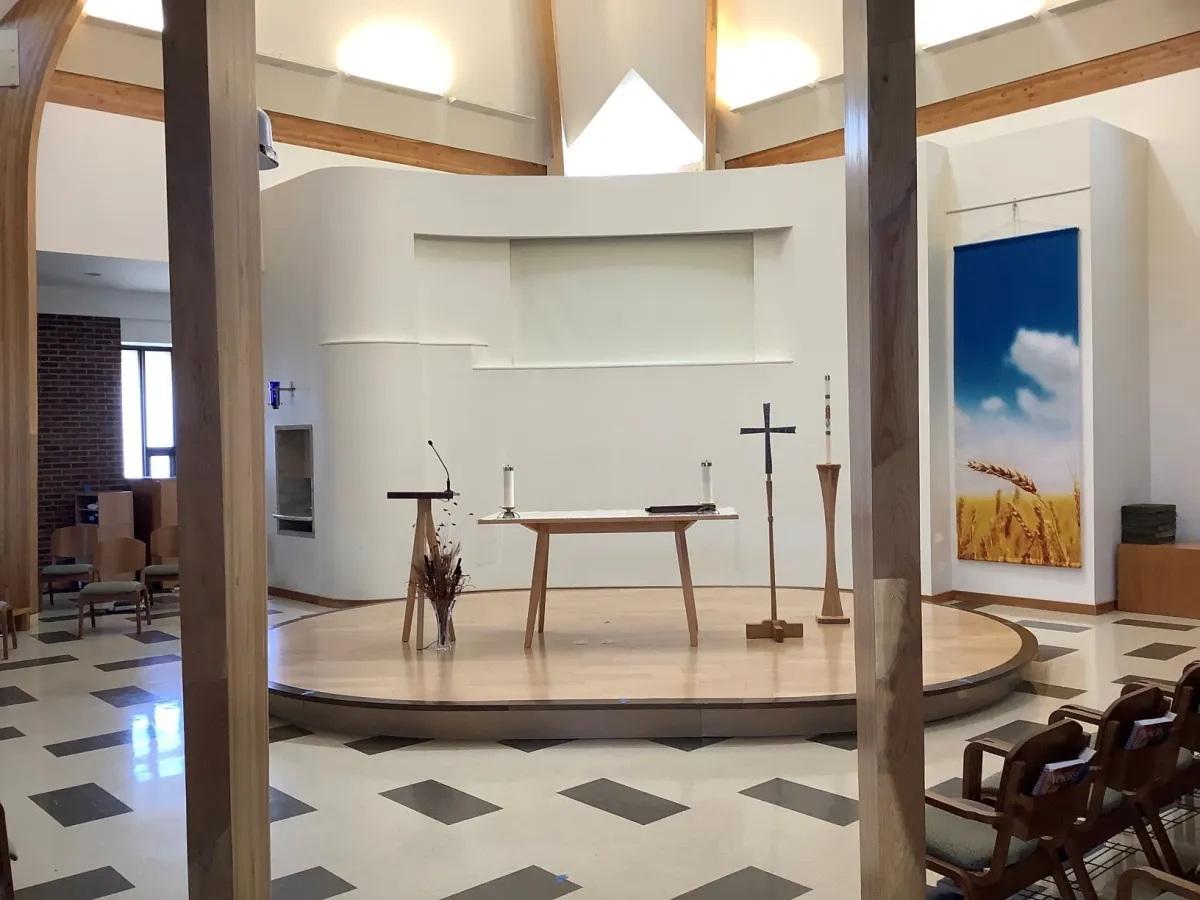 Photo: St. Laurence Church, via images.squarespace-cdn.com
The Advent wreath ceremony, conducted each evening at sunset, demonstrates how medieval Christians used light to mark time's passage toward Christmas. As each candle is lit with appropriate ceremony, visitors witness the growing anticipation that characterised the medieval approach to Christ's birth. The gradual increase in illumination mirrors the spiritual preparation that made Christmas morning so profoundly meaningful.
The Great Bonfire Tradition
The festival's centrepiece bonfire, blazing in the castle's outer bailey, recreates the communal fires that united medieval communities during the darkest nights. These weren't merely sources of warmth and light – they served as gathering points where social distinctions temporarily dissolved. Lords and peasants alike shared stories, songs, and seasonal ales around the common flame.
The bonfire lighting ceremony, conducted each evening at seven o'clock, follows medieval traditions precisely. The fire is kindled using flint and tinder, requiring several minutes of patient work that reminds modern audiences how precious and precarious medieval light sources were. As the flames grow, traditional songs fill the air, and visitors experience the profound sense of community that fire brought to medieval life.
Practical Magic: Experiencing Ludlow's Illuminated Nights
To fully appreciate the festival's evening transformation, arrive as natural light begins fading around four o'clock. This timing allows you to witness the gradual transition from day to night, observing how each lighting method creates its own distinct atmosphere.
Begin your evening journey in the castle's great hall, where the beeswax candles create the most comfortable viewing conditions. The bright, steady light here makes an ideal starting point for eyes adjusting to dimmer illumination. Take time to appreciate the golden warmth that only beeswax provides – this was medieval luxury at its finest.
Progress through the merchants' quarter between five and six o'clock, when the mixed lighting creates dramatic contrasts between bright and dim areas. This represents the perfect time to observe medieval shopping customs, as traders demonstrate how business was conducted in the challenging light of tallow candles.
The common areas become most atmospheric after six-thirty, when rushlights and fat-soaked rags create the most authentic medieval lighting experience. Allow extra time here, as the dim illumination requires patience to fully appreciate the craftspeople's demonstrations.
Evening Entertainment by Firelight
The festival's evening performances gain extraordinary power from their authentic lighting. Minstrels' tales become more mysterious when told by flickering flames, while morris dancing takes on an almost mystical quality as shadows leap and dance alongside the performers. The medieval understanding that darkness enhanced storytelling and celebration becomes viscerally apparent.
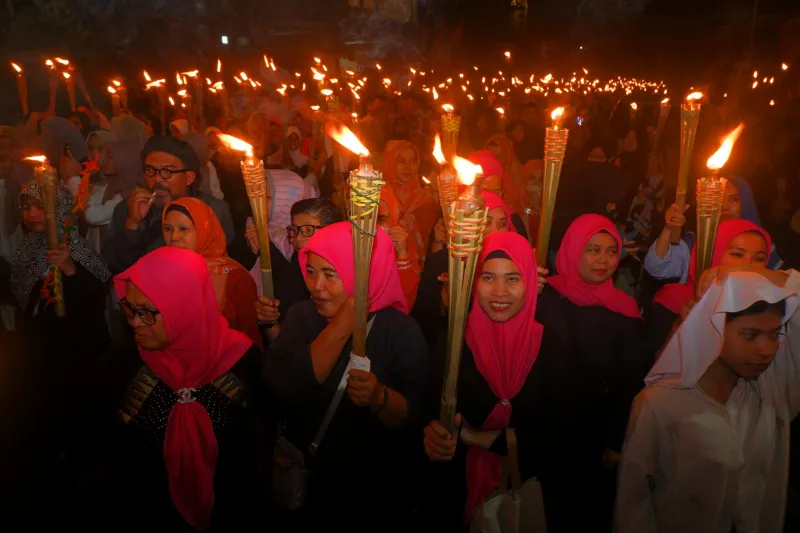
The torchlit procession at eight o'clock offers the evening's most spectacular moment. Dozens of pitch torches create a river of flame flowing through Ludlow's ancient streets, recreating the pageantry that marked medieval Christmas celebrations. Following this procession provides an unforgettable conclusion to any festival visit.
Safety and Comfort in Medieval Illumination
While experiencing authentic medieval lighting, modern safety standards ensure visitor comfort and security. Discrete emergency lighting provides necessary safety coverage without compromising the historical atmosphere. Heated areas offer respite from winter cold, and clearly marked pathways prevent navigation difficulties in dim lighting.
The festival provides period-appropriate hand lanterns for visitors wanting to explore dimmer areas safely. These lanterns, fitted with modern LED candles for safety, maintain the visual authenticity while ensuring practical illumination for reading programmes or navigating uneven surfaces.
As you plan your evening at Ludlow's medieval Christmas celebration, remember that you're experiencing more than entertainment – you're witnessing how light shaped community, commerce, and celebration in an age when darkness held both mystery and meaning. Each flame tells a story of ingenuity, hierarchy, and hope that continues to illuminate our understanding of medieval life centuries later.