The Forgotten Soundscape of Medieval Christmas
Walk through Ludlow's medieval streets during December, and you might catch echoes of a musical tradition that stretches back over seven centuries. Yet the Christmas music that once filled Britain's market towns bears little resemblance to the genteel carols we associate with the festive season today. The authentic medieval Christmas was a far more boisterous, diverse, and socially complex musical experience—one that Ludlow's annual medieval Christmas celebration works tirelessly to recreate with historical accuracy.
The medieval Christmas season, extending from Advent through to Twelfth Night, was punctuated by distinct musical traditions that served both sacred and secular purposes. Unlike our modern conception of Christmas carols as purely religious songs, medieval festive music encompassed everything from liturgical chants to drinking songs, from courtly ballads to street performances that would make a modern busker blush.
The Waits: Medieval Britain's Official Christmas Musicians
Perhaps no musical tradition is more authentically medieval than that of the waits—the official town musicians who held a monopoly on public performance during the Christmas season. These weren't the amateur carollers of Victorian imagination, but professional musicians employed by municipal authorities to provide music for civic ceremonies, religious observances, and seasonal celebrations.
In towns like Ludlow, the waits would have been skilled performers, often capable of playing multiple instruments including the shawm (a double-reed ancestor of the oboe), various sizes of recorder, and the sackbut (an early trombone). Their Christmas duties extended far beyond mere entertainment; they served as living timepieces, announcing the hours through the night with specific melodies, and their presence legitimised public gatherings during a season when revelry could easily tip into disorder.
Historical records from the Ludlow Corporation Archives reveal payments to waits as early as the 15th century, suggesting that the town's Christmas musical traditions were both established and valued by civic authorities. These musicians would have performed a repertoire combining sacred polyphony with secular dance tunes, creating a musical atmosphere far more complex than our simplified modern Christmas canon.
Minstrels and the Travelling Musical Tradition
While waits provided the official soundtrack to medieval Christmas, travelling minstrels brought an element of unpredictability and exotic repertoire to festive celebrations. These itinerant performers, often working in small troupes, would arrive in market towns during the lucrative Christmas season, bringing news, entertainment, and musical styles from across Britain and continental Europe.
Medieval minstrels were far more than simple musicians; they were storytellers, acrobats, and social commentators who used music as a vehicle for everything from epic romances to satirical observations about local politics. Their instruments included the gittern (a guitar-like instrument), various types of drum, bells, and the hurdy-gurdy—a mechanical string instrument that could produce both melody and drone accompaniment.
The minstrel tradition particularly flourished in prosperous market towns like Ludlow, where the Christmas season brought together merchants, pilgrims, and local gentry with both the means and inclination to reward musical entertainment. Contemporary accounts suggest that successful minstrel performances during Christmas could provide enough income to sustain performers through the leaner months of winter.
The Raucous Reality of Medieval Carol Singing
The word "carol" itself derives from the medieval French "carole," describing a circle dance accompanied by singing. This etymology reveals something crucial about authentic medieval Christmas music: it was participatory, physical, and often boisterous in ways that would scandalise modern church congregations.
Medieval carols were frequently secular in nature, celebrating everything from the return of longer days to the temporary suspension of social hierarchies that characterised Christmas revelry. Many incorporated refrains that encouraged audience participation, creating communal musical experiences that bound communities together during the darkest months of the year.
The famous "Boar's Head Carol," which may have been performed at Ludlow's medieval Christmas feasts, exemplifies this tradition. Far from a gentle hymn, it was a robust celebration of abundance and hospitality, designed to accompany the ceremonial presentation of the Christmas feast's centrepiece.
Instruments of Medieval Festivity
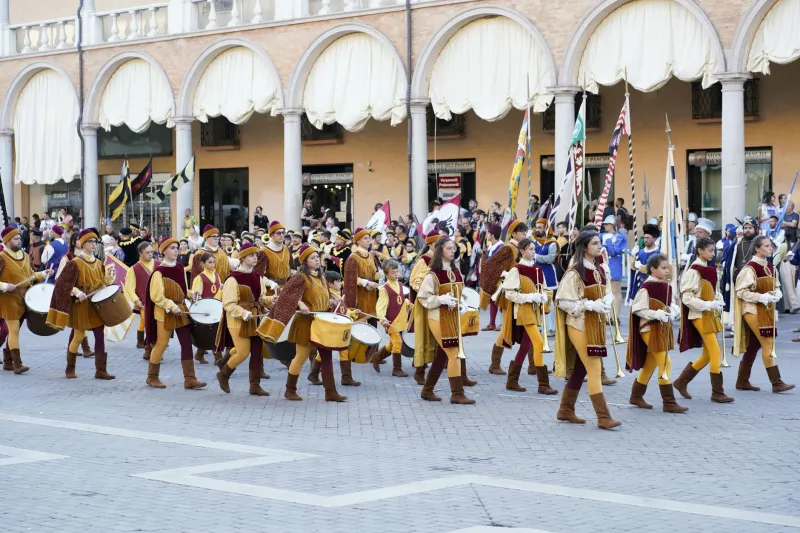
The instrumental palette of medieval Christmas music differed dramatically from modern orchestral arrangements. Percussion played a crucial role, with tabors (small drums), bells of various sizes, and even kitchen implements pressed into service during community celebrations. The medieval preference for outdoor performance meant that instruments needed to be both portable and capable of cutting through ambient noise.
Wind instruments dominated the medieval Christmas soundscape, from the penetrating sound of shawms and early bagpipes to the more delicate tones of recorders and flutes. String instruments, while present, were often modified for outdoor use—the medieval fiddle, for instance, was smaller and more robust than its modern violin descendant, better suited to the demands of street performance.
Reviving Authentic Medieval Christmas Music
Today's Ludlow Medieval Christmas celebration represents a remarkable achievement in historical recreation, bringing together musicologists, instrument makers, and performers dedicated to authentic medieval performance practice. The festival's musicians don't simply play medieval melodies on modern instruments; they use reconstructed period instruments, employ historical performance techniques, and present music within its original social context.
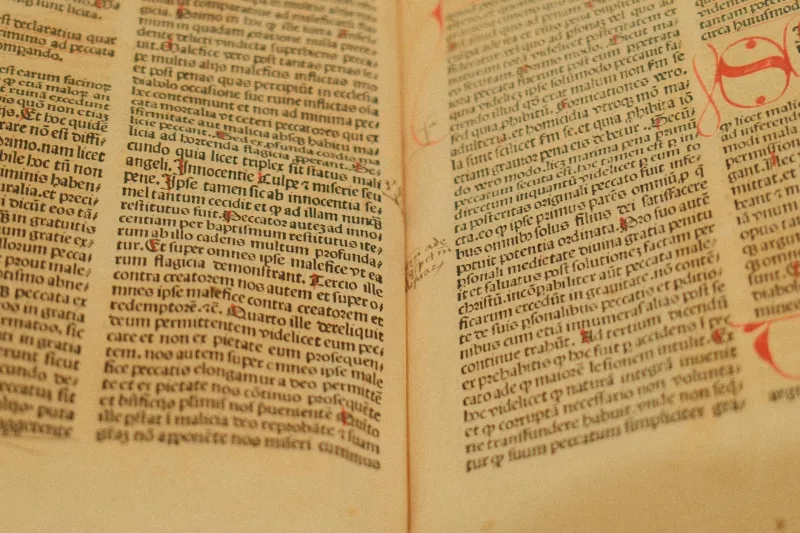
This commitment to authenticity extends to repertoire selection, with performers drawing on manuscript sources from British libraries and continental European archives to reconstruct the actual music that would have filled Ludlow's streets during the medieval Christmas season. The result is a musical experience that challenges modern expectations while providing genuine insight into how our ancestors celebrated the festive season.
Visitors to Ludlow's medieval Christmas celebration encounter not just entertainment, but a window into a musical world that shaped British cultural identity for centuries. In an age when Christmas music has become increasingly commercialised and homogenised, the festival's commitment to historical authenticity offers a refreshing alternative—and a reminder of the rich musical heritage that lies beneath our modern festive traditions.
The Enduring Legacy of Medieval Christmas Music
As you wander through Ludlow's medieval Christmas celebration, listening to the haunting melodies of reconstructed medieval instruments, you're participating in a tradition that connects you directly to centuries of British Christmas celebrations. The music you hear isn't a modern interpretation of medieval style, but a careful recreation of the actual sounds that once filled these same streets during the festive season.
This authentic approach to medieval Christmas music reveals something profound about the continuity of human celebration. While the specific forms may have changed, the fundamental human impulse to mark the darkest time of year with music, community, and joy remains constant. In preserving and reviving these ancient musical traditions, Ludlow's medieval Christmas celebration offers visitors not just entertainment, but a deeper connection to the cultural roots that continue to shape our modern Christmas celebrations.