Stepping Into Medieval Britain's Kitchen
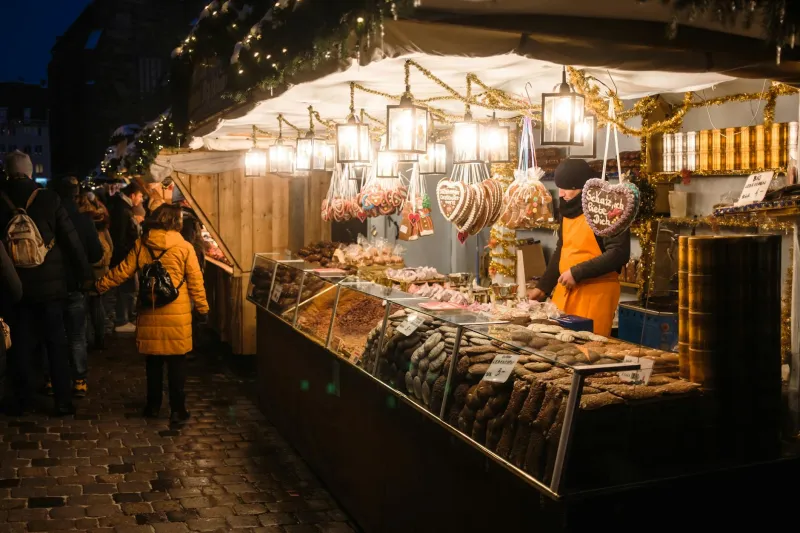
The aromatic waft of roasted meats, the warming spice of mulled ale, and the sweet allure of honey cakes transport visitors to Ludlow's Christmas market straight into the heart of medieval England's culinary tradition. This year's celebration offers an unprecedented opportunity to taste history, with dedicated food vendors committed to recreating authentic medieval recipes using traditional methods and ingredients.
Unlike modern interpretations that merely nod to historical themes, these carefully researched dishes represent genuine attempts to replicate the flavours that graced medieval tables during the festive season. The result is a fascinating exploration of how our ancestors celebrated Christmas through food, revealing both surprising sophistication and delightful simplicity in equal measure.
The Art of Medieval Brewing: Mead and Ale Traditions
At the heart of medieval festive drinking culture lies mead, often called the "nectar of the gods." The Ludlow Meadery stall, operated by artisan brewers Sarah and Thomas Whitfield, produces their honey wine using methods documented in 13th-century manuscripts. Their Christmas variant incorporates warming spices such as cinnamon, cloves, and ginger—ingredients that would have been precious commodities in medieval times, reserved for special occasions.
The brewing process follows historical accuracy religiously: wild honey from Shropshire hives ferments naturally with period-appropriate yeasts, creating an alcoholic beverage that ranges from dry to sweet depending on the honey source. Visitors should expect a complex flavour profile quite different from modern wines, with earthy undertones and a subtle floral finish that reflects the meadows where the bees foraged.
Equally compelling is the traditional ale offered by Blackfriars Brewery, whose master brewer has spent years researching medieval brewing techniques. Their Christmas ale excludes hops—a later addition to British brewing—instead relying on a blend of herbs called "gruit" for flavouring and preservation. Expect notes of rosemary, bog myrtle, and yarrow creating an unusual but historically authentic drinking experience.
Substantial Fare: The Hearty Dishes of Medieval Feasting
Medieval cuisine emphasised sustenance and flavour through creative use of available ingredients. The Medieval Kitchen stall, run by historical cooking enthusiast Margaret Thornbury, specialises in recreating dishes from surviving recipe collections, including the famous "Forme of Cury" compiled by King Richard II's master cooks.
Their signature offering, "pottage," represents the foundation of medieval nutrition—a thick, porridge-like stew combining grains, vegetables, and meat when available. The Christmas version incorporates seasonal root vegetables, barley, and lamb, seasoned with herbs that medieval cooks would have grown in monastery gardens. Modern palates will appreciate its warming, comforting qualities, though the texture requires adjustment for those accustomed to contemporary cuisine.
Roasted meats feature prominently, with whole joints turned on traditional spits over open fires. The Wild Boar Company sources heritage breed pork that closely resembles the wild boar medieval nobles hunted for their Christmas feasts. Their preparation follows period techniques: simple salt curing followed by slow roasting, allowing the meat's natural flavours to predominate without modern marinades or artificial enhancements.
Sweet Temptations: Medieval Desserts and Confections
Medieval sweet treats reveal sophisticated culinary knowledge often overlooked by modern assumptions about historical food. The Monastery Bakehouse recreates "frumenty," a festive pudding combining wheat berries, milk, and honey, often enriched with egg yolks and spices. This Christmas staple required considerable preparation time and expensive ingredients, marking it as a special occasion dish.
Their honey cakes follow recipes from medieval monastery kitchens, where monks developed elaborate baking techniques. These dense, spiced cakes incorporate almonds, dried fruits, and exotic spices that arrived through medieval trade routes. The flavour profile emphasises honey's complexity rather than refined sugar's simple sweetness, creating depth that modern confectionery rarely achieves.
Marzipan, surprisingly common in wealthy medieval households, appears in decorative forms shaped into fruits and animals. The technique arrived in England through Crusader connections with Middle Eastern cuisine, representing the international nature of medieval high-status cooking.
Practical Guidance for the Adventurous Diner
First-time visitors to medieval cuisine should approach these foods with curiosity rather than modern expectations. Begin with familiar items like roasted meats before progressing to more challenging dishes such as pottage or frumenty. The flavour profiles emphasise herbs and spices differently than contemporary cooking, often resulting in more complex, layered tastes.
Mead serves as an excellent introduction to medieval drinking, particularly the sweeter variants that appeal to modern palates accustomed to wine. Those preferring beer should try the herbal ales gradually, as the absence of hops creates unfamiliar flavour combinations.
Budget approximately £15-20 per person for a substantial sampling of various dishes, though individual items range from £3-8. Many vendors offer tasting portions, allowing exploration without committing to full servings of unfamiliar foods.
Preserving Culinary Heritage Through Authentic Recreation
The dedication shown by Ludlow's medieval food vendors extends beyond mere entertainment, representing serious historical research and culinary archaeology. Their commitment to authentic ingredients, traditional preparation methods, and period-appropriate serving styles offers visitors genuine insight into how our ancestors lived, celebrated, and sustained themselves during the medieval period.
This Christmas market transforms eating into education, pleasure into historical preservation, and curiosity into cultural connection. Through these carefully recreated flavours, visitors taste not just food, but the essence of medieval English Christmas celebration itself.