The Heartbeat of Medieval Commerce
As visitors wander through the cobbled streets of Ludlow during the Medieval Christmas celebration, the air fills with sounds that would have been familiar to townsfolk six centuries ago. The steady ring of hammer on anvil, the gentle whoosh of bellows feeding flames, and the rhythmic clack of wooden looms create an authentic soundscape that transports guests directly into England's medieval past.
Behind these evocative sounds stand remarkable individuals who have dedicated themselves to mastering trades that once formed the backbone of British society. These aren't merely weekend enthusiasts—they are serious practitioners who have spent years, sometimes decades, perfecting skills that were once essential to daily survival.
The Forge Master's Tale
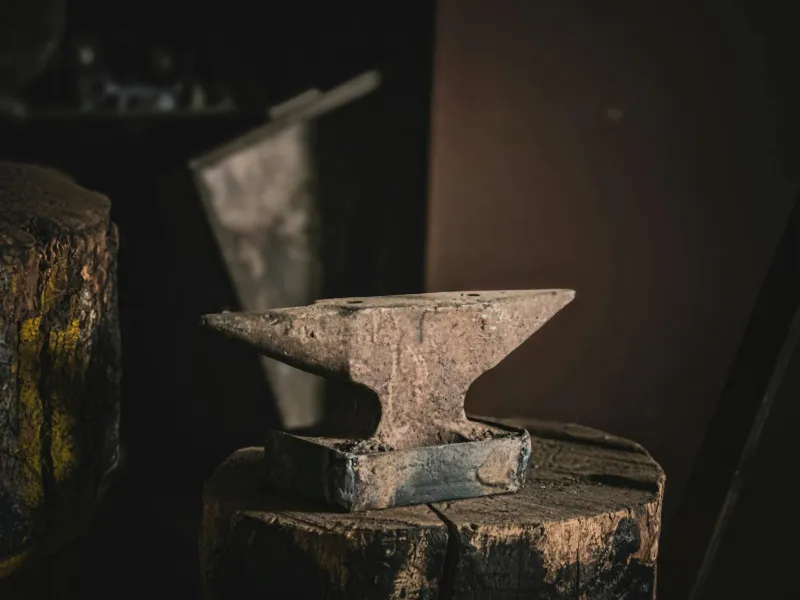
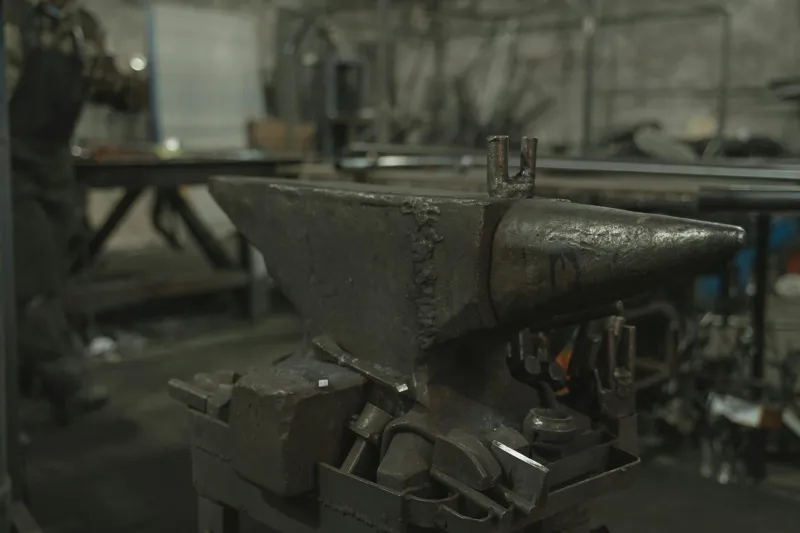
Meet Thomas Hartwell, a blacksmith whose weathered hands tell the story of twenty-five years working with fire and iron. Originally a mechanical engineer from Birmingham, Thomas discovered medieval blacksmithing during a holiday to a heritage site in the Cotswolds. "I was mesmerised by the direct relationship between craftsman and material," he explains, wiping soot from his brow between hammer strikes. "Modern manufacturing has lost that intimate connection between maker and object."
Thomas spent three years as an apprentice to a master blacksmith in Yorkshire, learning techniques that haven't changed since the Middle Ages. At Ludlow's Medieval Christmas, visitors can watch him forge everything from horseshoe nails to decorative ironwork, using only period-appropriate tools and methods. "Every piece tells a story," he notes, holding up a hand-forged door hinge. "Medieval blacksmiths weren't just metalworkers—they were problem solvers, artists, and essential members of their communities."
The historical significance of blacksmithing cannot be overstated. In medieval England, the village smith was often one of the most prosperous and respected residents, responsible for creating and maintaining the tools that made agriculture, construction, and defence possible.
Illuminating Ancient Techniques
A few stalls down from Thomas, Sarah Mitchell tends to a collection of beeswax candles that cast warm, golden light across her workspace. A former chemistry teacher from Shrewsbury, Sarah became fascinated by medieval illumination techniques after visiting a monastery in France. "Medieval people had a completely different relationship with light and darkness," she observes, carefully dipping a wick into molten wax. "Candles weren't just functional—they were precious commodities that marked time, celebrated occasions, and provided comfort during long winter nights."
Sarah's candles are created using traditional methods: pure beeswax rolled around hemp wicks, with no modern additives or synthetic fragrances. She sources her beeswax from local apiaries in Shropshire, maintaining the medieval tradition of using regional materials. "Each candle takes patience and skill," she explains. "Medieval chandlers served apprenticeships just like any other craft guild. It wasn't simply about melting wax—understanding the properties of different materials, managing temperature, and creating consistent quality required genuine expertise."
Visitors to her demonstration often express surprise at the complexity involved in what seems like a straightforward process. Sarah delights in explaining how medieval households managed their precious candles, rationing light according to season and occasion.
Threads of History
Perhaps no craft demonstrates the connection between medieval life and modern luxury quite like weaving. Eleanor Pemberton operates a traditional wooden loom that draws constant crowds of fascinated onlookers. Originally from Wales, Eleanor learned weaving from her grandmother but became interested in medieval techniques through historical research for her doctoral thesis in medieval history.
"Textiles were the foundation of medieval wealth," Eleanor explains while working wool into intricate patterns. "The English wool trade built fortunes, funded cathedrals, and influenced international politics. When people see me working this loom, they're witnessing the process that made England prosperous."
Eleanor's loom is a faithful reproduction of medieval equipment, constructed using traditional joinery techniques and operated entirely by hand and foot power. She demonstrates the creation of various fabrics, from simple woollen cloth to complex tapestry work. "Medieval weavers were artists and engineers combined," she notes. "Creating consistent, beautiful fabric required mathematical precision, artistic vision, and physical endurance."
Preserving Living History
What motivates these craftspeople to dedicate countless hours to mastering obsolete skills? The answer lies in their shared belief that these trades represent more than historical curiosities—they embody fundamental human creativity and ingenuity.
"When children watch me work the forge, they're seeing something their ancestors would have recognised instantly," Thomas reflects. "There's a continuity there that connects us across centuries. These skills represent human problem-solving at its most direct and honest."
Sarah echoes this sentiment: "Modern life can feel disconnected from the physical world. When I make candles, I'm participating in a conversation that stretches back through generations of craftspeople. That connection feels precious."
Planning Your Craft Encounters
For visitors to Ludlow Medieval Christmas, these craftspeople offer more than entertainment—they provide genuine educational experiences that illuminate how medieval society functioned. Each artisan welcomes questions and enjoys sharing the historical context behind their work.
The demonstrations run throughout the festival weekend, with different craftspeople featured at various times. Some offer hands-on workshops where visitors can try basic techniques under expert guidance. These interactive experiences prove particularly popular with families, offering children the chance to connect with history through direct participation.
These skilled practitioners represent the living heart of Ludlow's Medieval Christmas celebration. Through their dedication to ancient trades, they ensure that the knowledge, techniques, and spirit of medieval craftsmanship continue to inspire and educate new generations. Their workshops provide visitors with unforgettable glimpses into a world where skill, patience, and creativity shaped every aspect of daily life.