The Brotherhood That Built a Town
When you wander through Ludlow's bustling Christmas market, surrounded by the aromatic delights of traditional fare and the rhythmic hammering of blacksmiths, you're experiencing an echo of one of medieval England's most sophisticated commercial systems. The trade guilds that once ruled these very streets didn't merely organise craftsmen—they were the beating heart of medieval society, controlling everything from the quality of bread sold at dawn to the ceremonial pageantry that marked holy days.
Ludlow's position as a prosperous border town made it a natural hub for guild activity. By the 13th century, the settlement had evolved from a Norman stronghold into a thriving commercial centre where guild membership wasn't just beneficial—it was essential for survival in the medieval marketplace.
The Palmers' Guild: Ludlow's Crown Jewel
Among Ludlow's medieval guilds, none wielded more influence than the renowned Palmers' Guild, established in the late 13th century. Unlike typical craft guilds focused on specific trades, the Palmers' Guild served as both a religious fraternity and commercial powerhouse, its membership drawn from the town's wealthiest merchants and most skilled artisans.
The guild's name derived from the palm branches carried by pilgrims returning from the Holy Land, reflecting the medieval obsession with spiritual journey and worldly success intertwined. Members paid substantial fees for the privilege of belonging, but in return received protection for their businesses, assistance during hardship, and the invaluable social standing that guild membership conferred.
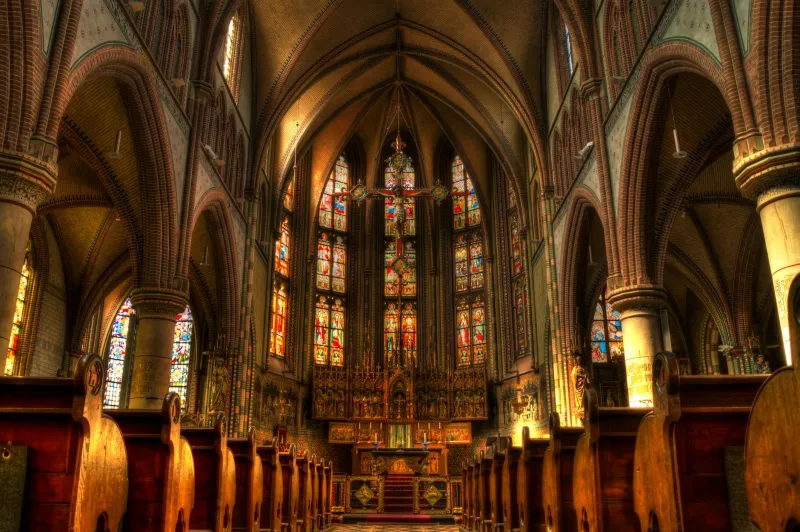
What made the Palmers' Guild extraordinary was its comprehensive approach to community welfare. The brotherhood maintained almshouses for the elderly, funded schools for children, and even operated its own chapel within St Laurence Church. During the Christmas season, the guild orchestrated elaborate celebrations that combined religious devotion with commercial opportunity—a tradition that resonates powerfully in today's festival.
Craft Guilds: The Architects of Quality
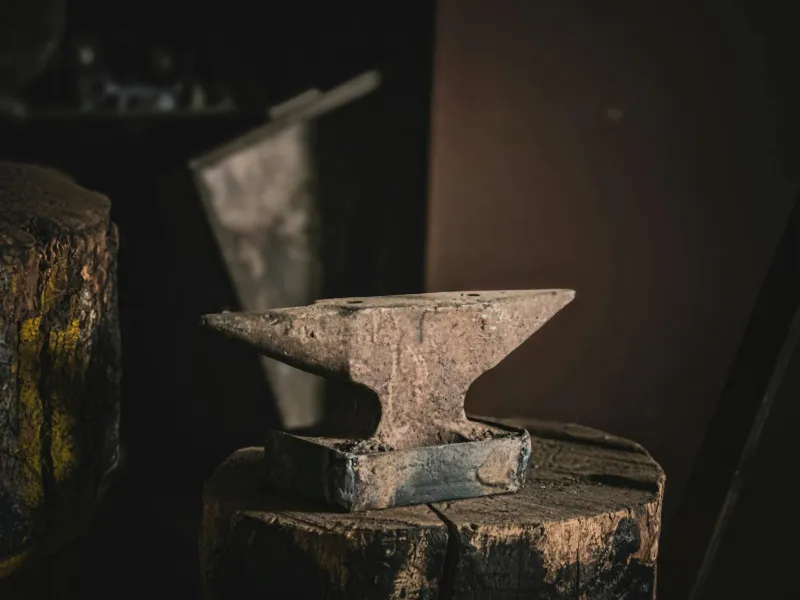
Beyond the prestigious Palmers' Guild, Ludlow's medieval streets hummed with the activity of numerous craft guilds. The Bakers' Guild ensured that every loaf met strict standards of weight and quality, whilst the Smiths' Guild governed the production of everything from horseshoes to weaponry. These organisations weren't merely professional associations—they were quasi-governmental bodies with the power to fine, exclude, or even imprison those who violated their regulations.
The guild system created a fascinating hierarchy within each trade. Apprentices, typically boys aged 14 or younger, began their seven-year journey towards mastership under the watchful eye of established craftsmen. Journeymen, having completed their apprenticeships, worked for daily wages whilst perfecting their skills. Only those who could demonstrate exceptional ability and possess sufficient capital could achieve the coveted status of master craftsman and guild member.
This rigorous system ensured remarkably high standards. When you observe the skilled artisans at Ludlow's Christmas celebration demonstrating traditional crafts, you're witnessing techniques refined over centuries by guild oversight and passed down through generations of master craftsmen.
Guild Festivals and Medieval Celebrations
Medieval guilds didn't merely regulate commerce—they orchestrated the social and spiritual life of their communities. Each guild maintained its own patron saint, celebrated with annual feasts that combined religious observance with spectacular public display. These celebrations often coincided with major Christian festivals, creating a rich tapestry of overlapping festivities that transformed medieval towns into stages for elaborate pageantry.
During the Christmas season, Ludlow's guilds competed to present the most impressive displays of their craft and devotion. The Drapers' Guild might sponsor magnificent tapestries adorning the church, whilst the Musicians' Guild provided entertainment for guild feasts and public celebrations. This tradition of competitive excellence in service of community celebration directly inspired the collaborative spirit that defines today's medieval Christmas festival.
Legacy Written in Stone and Tradition
The influence of Ludlow's medieval guilds extends far beyond historical curiosity. Walk through the town's historic centre and you'll discover their legacy carved into the very architecture. Guild halls, though modified over centuries, still stand as testament to their former power. The timber-framed buildings that house today's Christmas market stalls were often constructed according to guild specifications, their sturdy craftsmanship reflecting the high standards these organisations demanded.
More subtly, the guilds' emphasis on quality, community responsibility, and the integration of commerce with celebration continues to shape Ludlow's character. The Christmas festival's commitment to authentic craftsmanship, its support for local artisans, and its blend of education with entertainment all echo the guild tradition of combining profit with purpose.
Discovering Guild Heritage Today
As you explore this year's Christmas celebration, look for the guild legacy woven throughout the experience. The blacksmith demonstrating medieval metalworking techniques represents a direct line of knowledge transmission that guild apprenticeship systems perfected. The baker explaining the intricacies of medieval bread-making follows practices refined by generations of guild oversight.
Even the festival's organisation reflects guild principles. Like their medieval predecessors, today's organisers balance commercial success with community benefit, ensuring that Ludlow's Christmas celebration serves both visitors and residents whilst preserving and sharing the town's remarkable heritage.
The medieval guild system may have formally ended centuries ago, but its spirit—the dedication to excellence, community responsibility, and the celebration of skilled craftsmanship—lives on in every carefully planned detail of Ludlow's magical Christmas transformation.