A Tapestry of Medieval Flavours
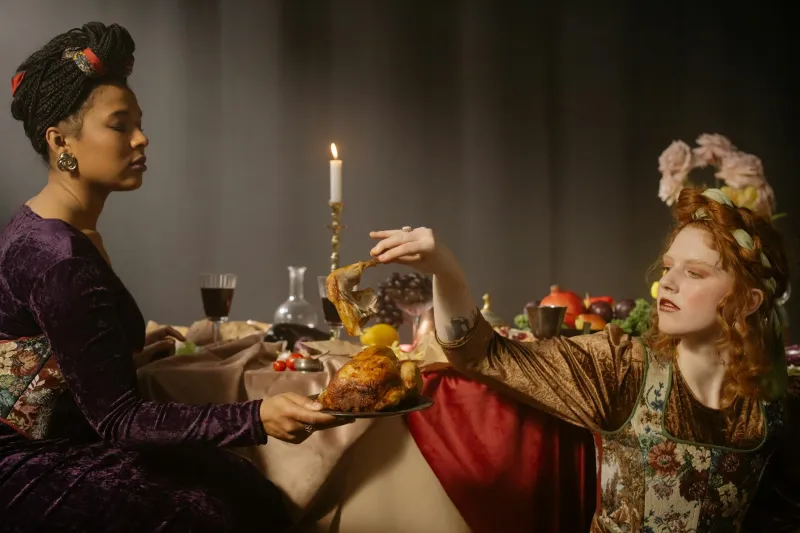
The flickering candlelight of a 14th-century Christmas feast in Ludlow would have illuminated tables groaning under the weight of extraordinary delicacies that modern palates can barely imagine. In an era where sugar was more precious than gold and spices travelled thousands of miles along treacherous trade routes, the Christmas celebrations of Ludlow's prosperous wool merchants represented the pinnacle of medieval gastronomy.
Today's visitors to Ludlow Medieval Christmas can experience these remarkable tastes firsthand, as skilled artisans recreate the very recipes that once delighted the noble families who called this Shropshire market town home. The festival's commitment to authenticity extends far beyond mere spectacle, offering genuine encounters with the sophisticated culinary traditions that defined medieval Christmas hospitality.
The Golden Nectar of Medieval Celebrations
Mead, often dismissed today as a crude honey wine, held a position of supreme reverence in medieval Ludlow. The finest varieties, infused with exotic spices like cinnamon, cloves, and ginger, required months of careful preparation. Master brewers guarded their recipes jealously, creating distinctive blends that reflected the wealth and sophistication of their patrons.
The process began with the finest honey, sourced from local monasteries where beekeeping had reached an art form. This liquid gold was fermented with precise timing, then enhanced with spices that arrived via the wool trade routes that made Ludlow prosperous. The result was a drink of extraordinary complexity, warming the body whilst delighting the senses with layers of aromatic intensity.
Hippocras represented the ultimate expression of medieval wine-making artistry. This spiced wine, named after the ancient physician Hippocrates, combined the finest imported wines with carefully measured quantities of ginger, cinnamon, and precious sugar. The mixture was filtered through specially woven cloths until it achieved perfect clarity, creating a drink worthy of the most distinguished guests.
Wassail: The Spirit of Community Celebration
No medieval Christmas in Ludlow would have been complete without the ceremonial wassail, a hot mulled cider that embodied the communal spirit of the season. Far more than a simple beverage, wassail represented a complex social ritual that brought together households, neighbours, and entire communities in celebration.
The preparation involved roasted apples, ale or cider, and a careful selection of spices. The drink was served from elaborate bowls, often crafted from precious metals or decorated ceramics, passed from hand to hand as participants shared toasts and blessings for the coming year. This tradition of communal drinking reinforced social bonds and demonstrated the host's generosity and status.
Modern visitors to Ludlow Medieval Christmas can participate in authentic wassailing ceremonies, experiencing the warmth and fellowship that defined medieval community celebrations. The recipes used today have been painstakingly researched from historical documents, ensuring that each cup carries the authentic taste of centuries past.
The Art of Medieval Confectionery
Marchpane, the medieval predecessor to modern marzipan, represented the absolute pinnacle of confectionery artistry. Created from ground almonds and precious sugar, this malleable sweet paste was sculpted into elaborate forms that served as both dessert and entertainment. Master confectioners in Ludlow would have created intricate castles, animals, and religious symbols, transforming the dining table into a gallery of edible art.
The creation of marchpane required extraordinary skill and patience. Almonds were blanched, ground to perfect smoothness, then combined with sugar and rosewater to create a paste of ideal consistency. The resulting mixture could be coloured with saffron or painted with gold leaf, creating confections that rivalled the finest jewellery in their beauty and value.
Subtleties represented perhaps the most spectacular element of medieval Christmas dining. These elaborate sugar sculptures, often standing several feet tall, depicted scenes from religious stories, heraldic symbols, or fantastical creatures. They served as centrepieces for the most important courses, demonstrating the host's wealth, artistic patronage, and cultural sophistication.
Experiencing Medieval Flavours Today
Ludlow Medieval Christmas offers visitors unprecedented opportunities to taste these remarkable delicacies through carefully researched recreations. Local artisans work with food historians to ensure authenticity, using traditional methods and ingredients wherever possible. The festival's medieval market features stalls selling freshly made marchpane, properly spiced hippocras, and warming cups of wassail prepared according to centuries-old recipes.
The sensory experience extends beyond mere tasting. Visitors can observe the preparation process, learning about the techniques and traditions that made these foods so significant in medieval culture. Demonstrations by costumed interpreters provide context about the social importance of feasting, the symbolism of particular dishes, and the economic networks that brought exotic ingredients to medieval Shropshire.
The Legacy of Medieval Gastronomy
These ancient flavours tell the story of Ludlow's prosperity and cultural sophistication during the medieval period. The town's position as a major wool trading centre brought wealth that supported elaborate culinary traditions, whilst its strategic location facilitated access to imported spices and luxury ingredients.
Today's Medieval Christmas celebration honours this rich heritage by making these tastes accessible to modern visitors. Each cup of spiced mead, each piece of carefully crafted marchpane, connects contemporary festival-goers with the sensory experiences that defined Christmas celebrations seven centuries ago.
The festival's commitment to authenticity ensures that these are not mere approximations but genuine recreations of medieval recipes, prepared with the same care and attention to detail that characterised the original confectioners and brewers. Through taste, modern visitors can truly step back in time, experiencing Christmas through the palates of their medieval predecessors.
In rediscovering these remarkable flavours, Ludlow Medieval Christmas offers something far more profound than entertainment. It provides a direct, sensory connection to our ancestors, allowing us to share in the joy, sophistication, and community spirit that defined Christmas celebrations in one of England's most historically significant market towns.