The Instagram Filter of History
Picture this: you're scrolling through Ludlow Medieval Christmas photos, admiring the warm golden glow of torchlight on ancient stone, the sumptuous feast tables groaning with roasted meats, the elegant dancers swirling in rich velvet gowns. It all looks rather inviting, doesn't it? Rather like stepping into a particularly well-funded period drama where everyone has excellent teeth and mysteriously clean fingernails.
Now imagine the same scene without central heating. Without antibiotics. Without the reasonable expectation that you'll survive until spring. Suddenly, that romantic medieval Christmas starts looking less like a holiday destination and more like an extreme survival challenge.
The uncomfortable truth is that most modern visitors to Ludlow's medieval celebration would have lasted approximately forty-eight hours in an authentic 14th-century Christmas before begging to return to the 21st century. And that's being generous.
The Temperature Challenge: When 'Bracing' Becomes 'Brutal'
Let's start with the obvious: medieval England was bloody cold. The period from 1300 to 1500 coincided with the Little Ice Age, when average temperatures dropped significantly below modern norms. December in medieval Shropshire regularly saw temperatures that would make contemporary Britons weep with despair.
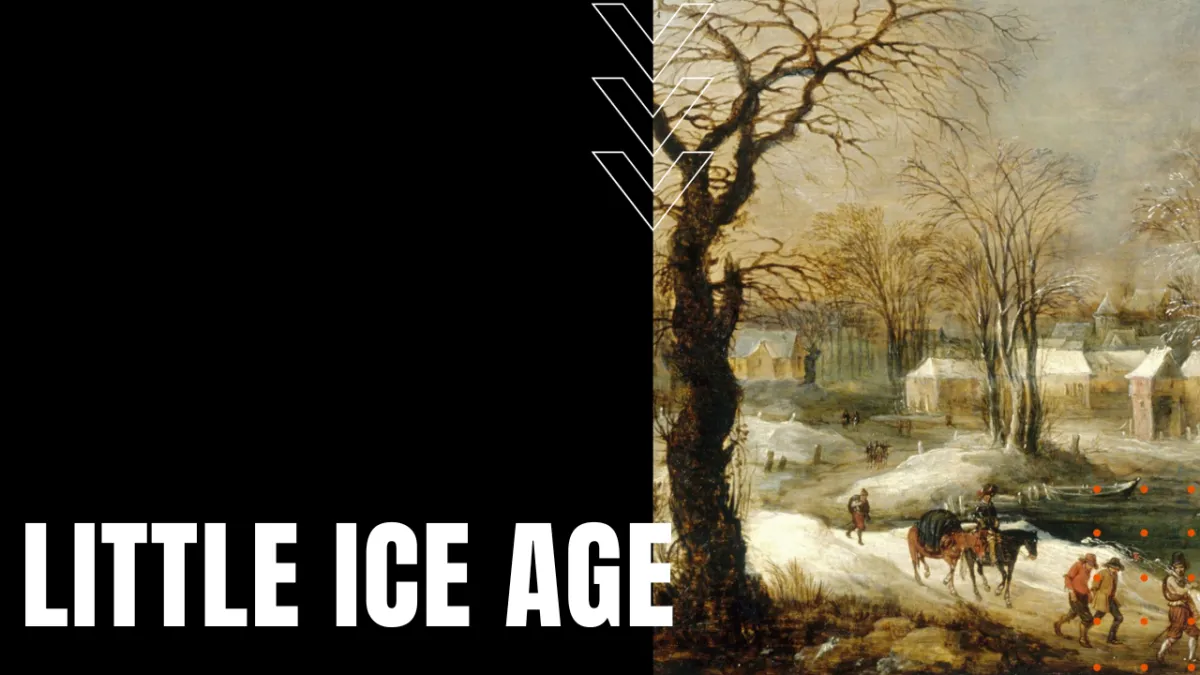 Photo: Little Ice Age, via dailydosedocumentary.com
But here's the kicker—there was no escape from the cold. No ducking into heated shops, no warming up in the car, no cranking up the thermostat when you got home. Medieval heating consisted of a single fire in the main hall, if you were lucky enough to live somewhere with a main hall. Most people huddled around smoky, inefficient fires that produced more carbon monoxide than actual warmth.
Your medieval Christmas accommodation wouldn't have been a cosy inn with thick walls and double glazing. You'd have been sleeping in a draughty chamber with gaps between the floorboards wide enough to post letters through. The 'glass' in your windows would have been oiled parchment or thin-scraped horn, about as effective as tissue paper against December winds.
Could you genuinely sleep soundly knowing that the only thing standing between you and hypothermia was a woollen blanket that probably harboured more livestock than a modern petting zoo?
The Hunger Games: When Christmas Dinner Wasn't Guaranteed
Modern Christmas revolves around abundance—groaning tables, multiple courses, the comfortable assumption that if you fancy a mince pie at 3 PM on Boxing Day, one will materialise from somewhere. Medieval Christmas operated under entirely different principles.
By December, most families were well into their 'starving time'—the months when stored food from the previous harvest began running dangerously low. Christmas feasting wasn't about indulgence; it was about using up perishable goods before they spoiled, because refrigeration hadn't been invented yet.
That magnificent roasted boar you see at Ludlow's feast tables? In medieval times, it represented months of careful planning, significant financial investment, and considerable risk. If the harvest had been poor, if livestock had died, if stored grain had rotted, Christmas dinner might consist of thin gruel and whatever roots could be dug from frozen ground.
Even wealthy merchants faced genuine uncertainty about winter food supplies. The difference between a prosperous Christmas and a hungry one often came down to factors entirely beyond human control—weather, disease, the success or failure of trade ventures.
Could you maintain your festive cheer whilst genuinely uncertain whether there would be enough food to last until spring?
Social Survival: When Christmas Came with Strings Attached
Modern Christmas celebrations are voluntary affairs. You choose which parties to attend, which relatives to visit, how much money to spend on gifts. Medieval Christmas was a complex web of social obligations that could determine your survival prospects for the coming year.
Every gift exchange carried political implications. Every feast invitation represented a test of loyalty. Every social interaction was calibrated according to strict hierarchical protocols that, if violated, could result in social ostracism, economic ruin, or worse.
Imagine attending a Christmas celebration where saying the wrong thing to the wrong person could result in losing your livelihood. Where failing to show appropriate deference could mark you as a troublemaker. Where your entire family's welfare depended on maintaining good relationships with people you might personally despise.
The jovial medieval Christmas scenes we romanticise were actually high-stakes social performances where everyone was constantly calculating the potential consequences of their behaviour. One poorly judged joke, one insufficiently respectful bow, one gift deemed inappropriate for the recipient's status—any of these could trigger social disasters that would echo through the following year.
The Hygiene Horror Show
Let's address the elephant in the medieval room: personal hygiene. Those elegant costumes at Ludlow's celebration are historically accurate in terms of style and materials, but mercifully inaccurate in terms of cleanliness.
Medieval people bathed infrequently, not through choice but through necessity. Heating enough water for a bath required enormous quantities of fuel. Soap was expensive and often caustic. Privacy was virtually non-existent. Most people went months between proper washes, relying on occasional face-and-hands cleaning to maintain basic cleanliness.
Christmas celebrations meant crowds of people who had been wearing the same clothes for weeks, possibly months. The festive hall would have been thick with the mingled aromas of unwashed bodies, smoky fires, roasting meat, and various bodily functions that people were less fastidious about concealing.
Could you genuinely enjoy a medieval feast whilst surrounded by authentic medieval smells?
The Medical Lottery
Perhaps most sobering of all is the medical reality of medieval life. That slight cough you've been ignoring? In medieval times, it might be the first sign of tuberculosis, pneumonia, or any number of respiratory diseases that killed with terrifying regularity.
The festive season was actually a particularly dangerous time medically. Large gatherings facilitated disease transmission. Rich foods could trigger digestive problems that, without modern medical intervention, could prove fatal. Cold weather exacerbated existing health conditions.
Medieval people lived with the constant awareness that any illness could be their last. Christmas celebrations were often tinged with genuine uncertainty about who would survive to see the next year's festivities.
The Beautiful Compromise
Here's the wonderful irony: by highlighting the genuine hardships of medieval Christmas, we can better appreciate the remarkable achievement of Ludlow's modern celebration. The festival captures the authentic spirit of medieval festivity—the community solidarity, the artistic creativity, the spiritual significance—whilst mercifully omitting the suffering that made such celebrations so precious to our ancestors.
Modern visitors get to experience the magic of medieval Christmas without the misery. We can admire the craftsmanship without fearing for our lives. We can enjoy the spectacle without enduring the smell. We can participate in historical traditions without accepting historical mortality rates.
Ludlow's medieval Christmas represents the best possible compromise between historical authenticity and human comfort. It's medieval Christmas as it should have been, not as it actually was.
So yes, you probably couldn't survive an authentic medieval Christmas. But that's precisely why Ludlow's celebration is so brilliant—it offers all the wonder with none of the worry, all the pageantry without the peril. It's time travel with a return ticket guaranteed.
Now, doesn't that mulled wine taste even better when you remember that you'll be sleeping in a centrally heated room tonight?