Embrace the Spirit of Medieval Merriment
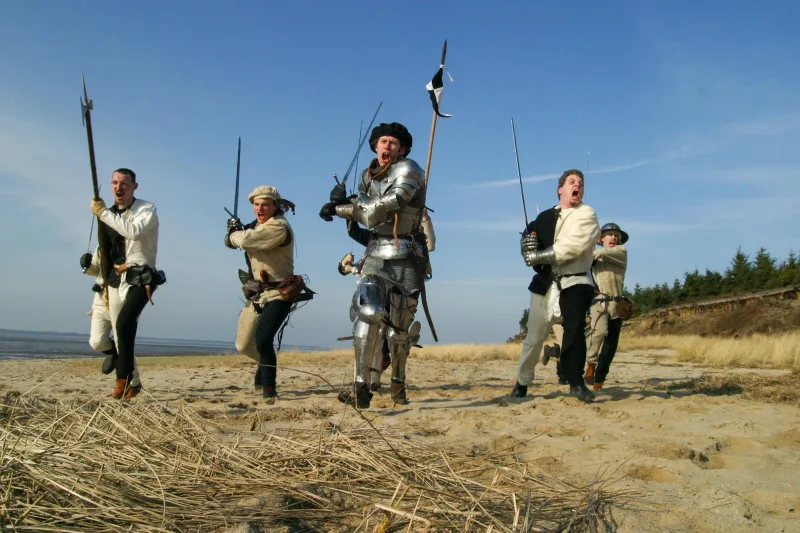
The cobbled streets of Ludlow transform each December into a living tableau of medieval Christmas celebration, where visitors are not merely observers but active participants in centuries-old traditions. This year's festivities promise an unprecedented opportunity to engage with authentic medieval entertainment, moving beyond the passive experience of watching historical reenactment to becoming part of the revelry yourself.
Medieval Christmas was a time of extended celebration, stretching from Christmas Eve through Twelfth Night, and entertainment played a crucial role in maintaining spirits during the darkest months of the year. The activities you'll encounter at Ludlow have been carefully researched and recreated to reflect the genuine pastimes that would have filled great halls and market squares across medieval England.
Strategic Diversions: Games of Wit and Skill
Among the most intellectually engaging activities awaiting visitors is Nine Men's Morris, a strategic board game that captivated medieval minds much as chess does today. This deceptively simple game, played on a board marked with three concentric squares connected by lines, requires players to form rows of three pieces whilst simultaneously blocking their opponent's attempts to do the same.
Historical records indicate that Nine Men's Morris boards were carved into cathedral steps, castle courtyards, and monastery cloisters throughout medieval Europe. The game's popularity stemmed from its accessibility—requiring only eighteen pieces and a marked board—making it suitable for both noble courts and common folk. At Ludlow, expert demonstrators will guide newcomers through the rules whilst seasoned players can test their strategic prowess against worthy opponents.
Tables, another medieval favourite, offers visitors the chance to engage in what we might recognise today as backgammon. This game of chance and strategy was considered so essential to medieval court life that it frequently appears in illuminated manuscripts depicting noble pastimes. The clicking of dice and the gentle tap of pieces moving across wooden boards will provide a soundtrack to your medieval gaming experience.
Theatrical Chaos and Seasonal Folly
The medieval concept of entertainment extended far beyond quiet board games to embrace boisterous group activities that encouraged participation from entire gatherings. Hoodman blind, the medieval precursor to our modern blindfold games, transforms visitors into active participants in historical recreation.
This seemingly simple game involved one blindfolded participant attempting to catch others within a designated area, but medieval versions often incorporated elaborate rules and seasonal variations. During Christmas celebrations, hoodman blind might include singing, riddles, or seasonal challenges that tested both physical agility and mental acuity. The game's popularity during medieval Christmas stemmed from its ability to break down social barriers—lords and servants, young and old, could participate as equals in the temporary chaos of the game.
Mumming represents perhaps the most theatrical of medieval Christmas entertainments available to modern visitors. These traditional folk plays, performed by masked or costumed participants, typically featured stock characters engaged in dramatic death-and-resurrection narratives that symbolised the seasonal cycle of winter and spring.
Participating in mumming requires no previous theatrical experience—the plays rely on archetypal characters and simple, repetitive dialogue that newcomers can quickly master. The experience offers insight into how medieval communities used performance to process seasonal transitions and community relationships during the darkest time of year.
Musical Revelry and Storytelling Traditions
Medieval Christmas entertainment invariably included musical elements, and Ludlow's celebration provides opportunities for visitors to engage with historical musical traditions. Carol singing, in its original medieval form, differed significantly from modern Christmas carolling. Medieval carols were circle dances accompanied by singing, with participants moving in prescribed patterns whilst maintaining vocal harmony.
Experienced musicians and dance instructors will guide visitors through authentic carol forms, teaching both the musical elements and the accompanying movements. These sessions reveal how medieval communities used coordinated singing and dancing to build social cohesion during extended winter celebrations.
Storytelling circles offer another participatory element, where visitors can both listen to traditional medieval tales and contribute their own narratives. Medieval Christmas featured extensive storytelling traditions, often incorporating supernatural elements, moral instruction, and seasonal themes that resonated with contemporary concerns about survival, community, and spiritual renewal.
Fire, Spectacle, and Seasonal Drama
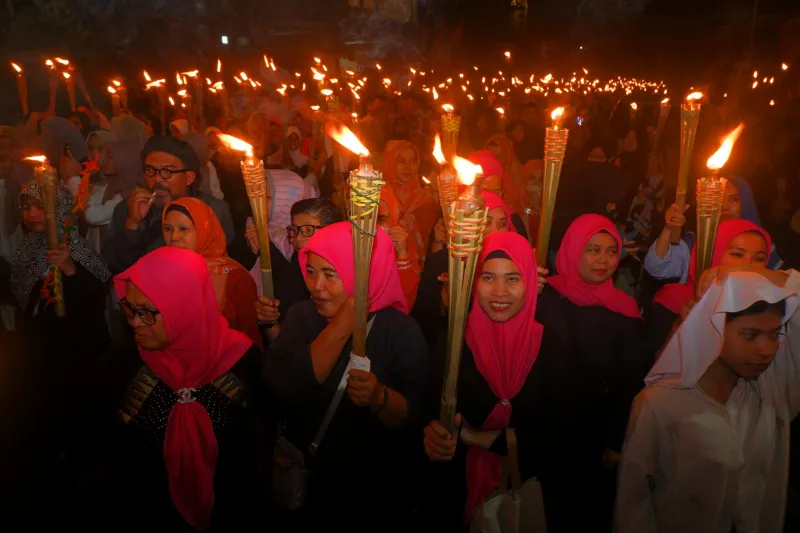
The visual spectacle of medieval Christmas comes alive through fire performance and dramatic presentations that invite audience participation. Medieval fire entertainers served both practical and symbolic functions—providing light during long winter nights whilst representing the triumph of warmth and life over cold and darkness.
Modern fire performers at Ludlow work within contemporary safety standards whilst maintaining historical authenticity in their techniques and presentations. Visitors can observe traditional fire manipulation methods and, under careful supervision, participate in simple fire-based activities that connect them to medieval seasonal celebrations.
Jesters and minstrels provide interactive entertainment that breaks down the barrier between performer and audience. Medieval court entertainers were expected to engage directly with their audiences, incorporating spontaneous elements, topical references, and audience participation into their performances. This tradition continues at Ludlow, where professional entertainers trained in historical techniques invite visitors to become part of their acts.
Planning Your Medieval Adventure
To fully embrace these interactive opportunities, visitors should arrive prepared for active participation. Comfortable footwear suitable for cobblestone surfaces proves essential, as many activities involve movement and dancing. Warm, layered clothing allows for adjustment as activities range from sedentary board games to energetic group entertainments.
The celebration's schedule incorporates multiple sessions of each activity throughout the day, ensuring that visitors can sample various entertainments without feeling rushed. Expert guides provide historical context for each activity whilst ensuring that modern participants can safely and enjoyably engage with medieval traditions.
This Christmas, Ludlow offers more than historical observation—it provides genuine participation in the entertainment traditions that sustained medieval communities through winter's challenges. Whether testing strategic skills at Nine Men's Morris, joining the chaos of hoodman blind, or adding your voice to medieval carols, you'll discover how our ancestors transformed the season's darkness into occasions for community, creativity, and joy.