Beyond Victorian Myth: The Medieval Roots of Christmas Giving
The widely accepted narrative positions Victorian England as the birthplace of Christmas gift-giving, crediting Charles Dickens and Prince Albert with transforming a religious observance into a celebration of domestic generosity. This comfortable fiction overlooks a far richer and more complex history—one that places medieval Shropshire, and specifically Ludlow's merchant community, at the very heart of Britain's gift-giving traditions.
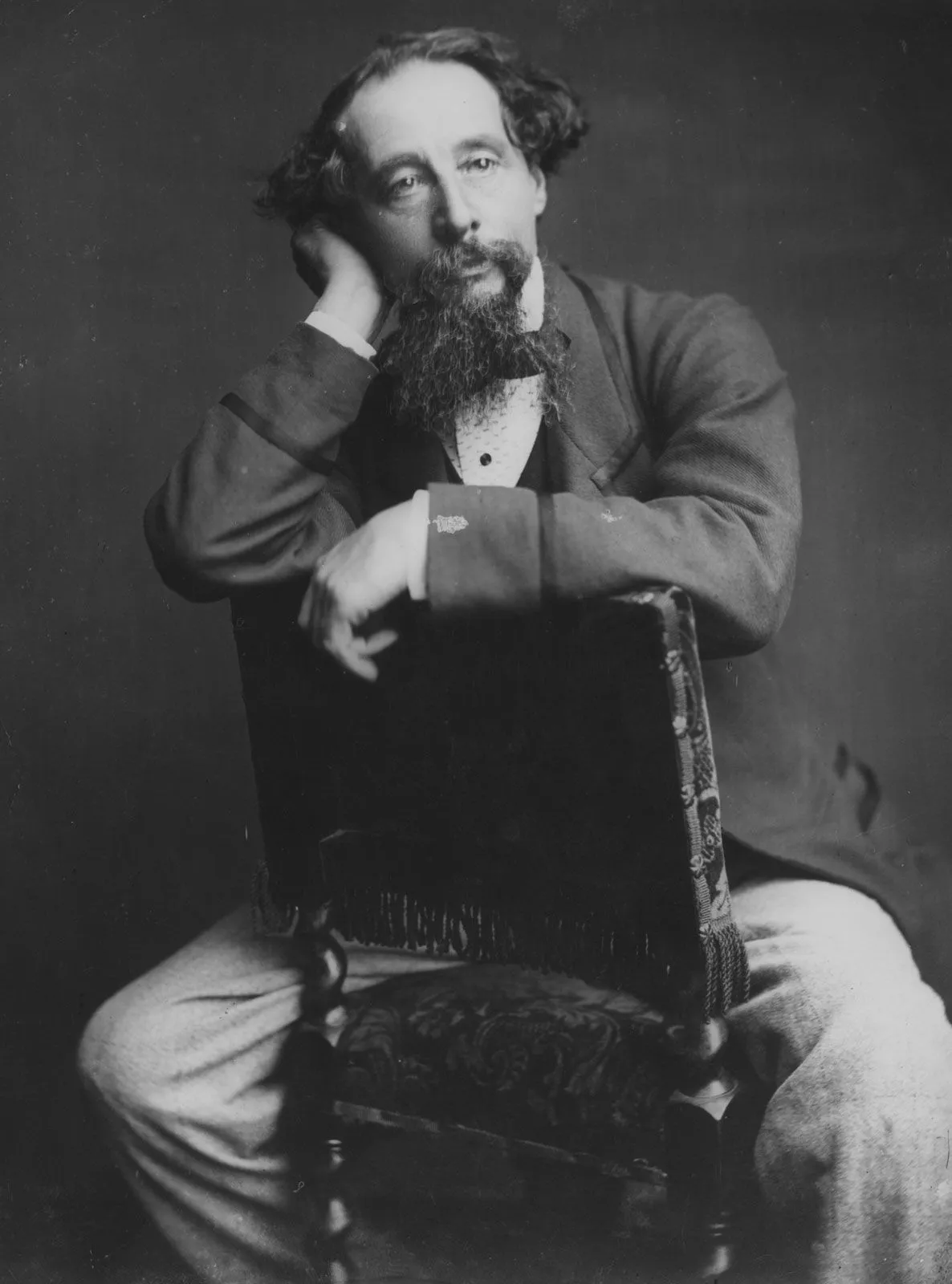 Photo: Charles Dickens, via cdn.britannica.com
Archival evidence from the 14th and 15th centuries reveals a sophisticated culture of Christmas generosity that predates Victorian innovation by several hundred years. The merchants, guild masters, and wool traders who made Ludlow one of medieval England's most prosperous market towns didn't simply exchange gifts—they created an entire social framework around festive generosity that continues to influence British Christmas celebrations today.
The Merchant's Obligation: From Duty to Delight
Medieval gift-giving began not as an expression of affection, but as a carefully calibrated system of social obligation. The surviving records of Ludlow's Merchant Guild, housed in Shropshire Archives, detail elaborate protocols governing Christmas exchanges between different social ranks.
Wealthy wool merchants were expected to provide their apprentices with new clothing, their household servants with additional food rations, and their business associates with tokens of continuing partnership. These weren't voluntary gestures of goodwill—they were contractual obligations as binding as any commercial agreement.
However, what makes Ludlow's medieval gift-giving culture remarkable is how quickly these formal obligations evolved into genuine expressions of care and community. By the late 14th century, guild records show merchants competing to provide increasingly elaborate gifts, transforming duty into a form of social artistry.
The Wool Wealth Revolution: When Prosperity Met Generosity
Ludlow's position as a centre of the medieval wool trade created unique conditions for the development of gift-giving culture. The town's merchants possessed both the wealth necessary for generous giving and the international connections that exposed them to diverse traditions of festive exchange.
Trade relationships with Flemish weavers introduced Ludlow merchants to Continental Christmas customs, whilst connections to London's merchant community brought exposure to court traditions of royal gift-giving. This cultural cross-pollination created a distinctly Shropshire approach to Christmas generosity—one that combined English practicality with Continental sophistication.
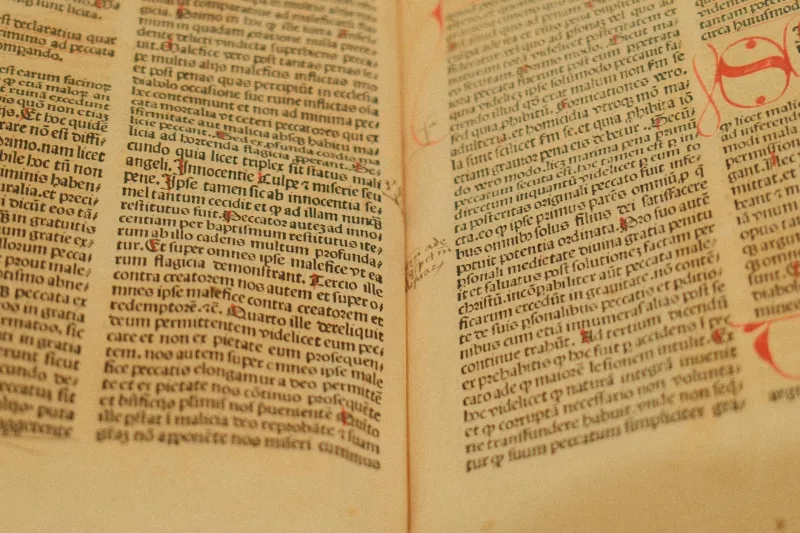
The famous Ludlow Inventory of 1398, discovered in recent archaeological excavations, provides fascinating insight into medieval Christmas gift preferences. Merchants exchanged intricately carved wooden boxes, illuminated prayer books, fine woollen cloth (naturally), imported spices, and handcrafted silver jewellery. These weren't token gestures—they represented significant financial investments in relationship building.
Guild Traditions: The Birth of Organised Christmas Charity
Perhaps Ludlow's most significant contribution to British Christmas tradition lies in the development of organised charitable giving during the festive season. The town's various guilds—representing different trades and crafts—established formal programmes for providing Christmas assistance to the poor, widowed, and disadvantaged.
The Cordwainers' Guild, representing leather workers, maintained detailed records of their Christmas charity distributions. Each December, guild members would pool resources to provide warm clothing, hearty meals, and small monetary gifts to families in need. This wasn't random charity—it was systematic, organised, and designed to ensure no member of the community faced Christmas in genuine hardship.
These guild-based charitable programmes served as templates for similar initiatives across medieval England. The model of collective responsibility for community welfare during Christmas became so associated with English tradition that it influenced charitable practices well into the modern era.
Sacred and Secular: The Church's Role in Gift-Giving Evolution
The relationship between religious observance and gift-giving in medieval Ludlow was far more complex than simple piety might suggest. St. Laurence Church, the magnificent parish church that dominates Ludlow's skyline, played a crucial role in legitimising and organising Christmas generosity.
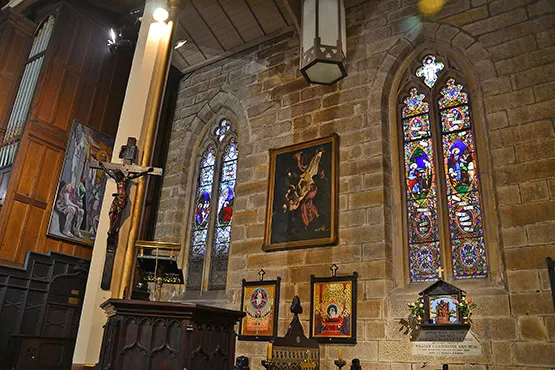 Photo: St. Laurence Church, via www.sydney.com.au
Church records from the 15th century describe elaborate gift exchanges during the Twelve Days of Christmas, with different social groups presenting offerings to the church on different days. These weren't simply religious donations—they were community celebrations that reinforced social bonds whilst honouring Christian tradition.
The church also served as a neutral venue for gift exchanges between different social classes. Servants could present gifts to masters within the sacred space without appearing presumptuous, whilst wealthy merchants could demonstrate humility by receiving gifts from their social inferiors.
Modern Echoes: Shopping with Historical Consciousness
Today's visitors to Ludlow's medieval Christmas market have the opportunity to participate in gift-giving traditions that stretch back over six centuries. The market's emphasis on handcrafted goods, local artisans, and traditional materials directly echoes the preferences of medieval Shropshire merchants.
Consider purchasing illuminated manuscripts (modern reproductions of medieval prayer books), hand-forged metalwork, traditional woollen goods, or artisanal food products. These choices connect contemporary gift-giving to its historical roots whilst supporting the same types of skilled craftspeople who once made Ludlow famous.
The market also maintains the medieval tradition of charitable giving through its support of local community organisations. A portion of vendor fees supports heritage preservation projects, educational programmes, and assistance for families in need—continuing Ludlow's legacy of Christmas generosity.
The Enduring Legacy of Medieval Generosity
The gift-giving traditions that emerged from medieval Ludlow's merchant community established patterns of Christmas behaviour that remain recognisable today: the emphasis on quality over quantity, the importance of supporting local craftspeople, the connection between prosperity and social responsibility, and the understanding that true generosity strengthens entire communities.
When modern families exchange carefully chosen presents on Christmas morning, they participate in traditions that were shaped not by Victorian innovation, but by medieval Shropshire's remarkable synthesis of commerce, community, and compassion. In Ludlow's medieval Christmas market, these ancient traditions find their most authentic contemporary expression.