The Living Ladder of Medieval Society: Your Guide to the Social Ranks at Ludlow's Christmas Celebration
As you wander through Ludlow's cobbled streets during the Christmas festival, you'll encounter a remarkable tapestry of medieval life brought vividly to reality. The carefully costumed characters you meet aren't merely dressed for show—they represent the rigid social hierarchy that defined medieval England for centuries. Understanding this complex system will transform your festival experience from simple observation to meaningful historical immersion.
The Foundation: Serfs and Villeins
At the base of medieval society stood the serfs and villeins—the bound peasants who formed the backbone of feudal England. During Ludlow's celebration, you'll recognise these characters by their simple woollen tunics, rough-hewn tools, and weathered hands that speak of endless toil. These performers embody the 90% of medieval England's population who worked the land, bound to their lord's estate by law and tradition.
Watch for the subtle details that bring authenticity to their portrayal: the way they lower their eyes when speaking to their betters, their knowledge of agricultural cycles, and their genuine reverence for religious symbols. When interacting with serf characters, a respectful nod acknowledges their humanity whilst maintaining the period's social boundaries.
The Skilled Artisans: Craftsmen and Merchants
Moving up the social ladder, you'll encounter the craftsmen and merchants who formed medieval England's emerging middle class. These characters wear finer cloth—perhaps a merchant in imported silk or a blacksmith with leather apron over quality wool. Their workshops and market stalls throughout Ludlow showcase the skills that built medieval prosperity.
The guild system comes alive through these portrayals. Master craftsmen display their expertise whilst apprentices learn their trade, recreating the structured learning that preserved medieval skills. When speaking with these characters, show interest in their craft—they're proud of their expertise and delighted to share knowledge of techniques passed down through generations.
The Warrior Class: Knights and Men-at-Arms
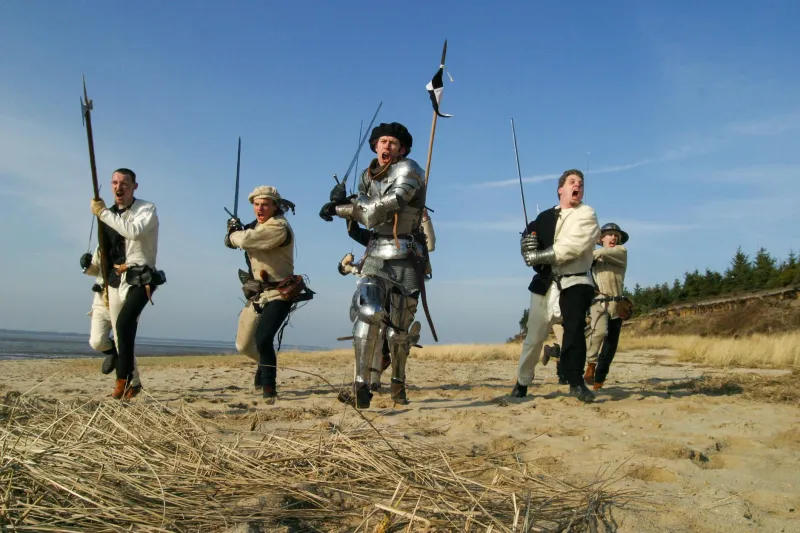
Perhaps the most visually striking figures at Ludlow's festival are the knights and professional soldiers. Their gleaming mail, heraldic surcoats, and carefully maintained weapons represent the military elite who dominated medieval society through force of arms. These weren't merely fighters—they were landowners, administrators, and the enforcers of feudal law.
Observe how other characters react to their presence: merchants bow slightly, serfs step aside, and even clergy show deference to their temporal power. The code of chivalry governs their interactions, creating opportunities for visitors to witness medieval concepts of honour, courtesy, and martial prowess in action.
The Spiritual Shepherds: Clergy and Religious Orders
The medieval Church wielded enormous influence, and Ludlow's festival faithfully represents this through its clerical characters. From humble parish priests to learned monks, these figures embody the spiritual authority that rivalled secular power. Their Latin phrases, knowledge of scripture, and role in community life demonstrate how deeply religion permeated medieval existence.
Notice how all social ranks show respect to religious figures—even the proudest knight will bare his head before a priest. This universal deference reflects the medieval belief that spiritual authority transcended earthly rank.
The Apex: Lords and Ladies
At the pyramid's peak stand the nobility—the lords and ladies whose bloodlines and land grants placed them above all others. During Ludlow's celebration, these characters arrive with appropriate ceremony: fine horses, elaborate dress, and retinues that demonstrate their wealth and power. Their every gesture reflects a lifetime of privilege and the weight of feudal responsibility.
When encountering noble characters, observe the protocol other performers follow: bowing, removing caps, and speaking only when addressed. This isn't mere theatre—it recreates the genuine awe that nobility commanded in medieval society.
Women Across the Hierarchy
Medieval women occupied complex positions within this rigid structure. A lady of noble birth commanded respect from male serfs, whilst a peasant woman remained subservient to men of higher rank. Ludlow's festival thoughtfully portrays these nuanced relationships, showing how gender intersected with class to create varied experiences of medieval life.
Engaging Respectfully with Living History
Understanding these social dynamics enhances your festival experience whilst ensuring respectful interaction with the dedicated performers. When approaching any character, observe their rank indicators—clothing quality, bearing, and how others treat them—then adjust your behaviour accordingly.
A gentle bow to nobility, interested questions to craftsmen, and kind words to all levels show appreciation for their historical portrayal. Remember that these performers have studied their roles extensively, creating an opportunity for genuine historical education alongside festive entertainment.
The Enduring Legacy
As you explore Ludlow's medieval Christmas celebration, you're witnessing more than entertainment—you're experiencing the social foundations that shaped English civilisation. The hierarchy that seems so foreign today created the stability that allowed medieval England to flourish, producing the magnificent castles, cathedrals, and cultural achievements we celebrate today.
This living history lesson, played out on Ludlow's ancient streets, connects us to our ancestors' daily reality whilst reminding us how far British society has evolved. In understanding their world, we better appreciate our own.