The Wandering Artists of Medieval England
In the frost-kissed streets of medieval Ludlow, as candlelight flickered against timber-framed houses and the scent of roasted chestnuts filled the air, a different kind of magic unfolded each Christmas season. Before the age of mass entertainment, before concert halls and theatres dotted the landscape, it was the travelling performers—mummers, minstrels, jongleurs, and jesters—who brought wonder and merriment to England's market towns.
These itinerant entertainers were far more than simple amusement; they were the living, breathing embodiment of medieval Christmas spirit. Their arrival in towns like Ludlow marked the true beginning of the festive season, transforming ordinary streets into stages where ancient traditions came alive through song, dance, and theatrical spectacle.
The Sacred and Secular: Mummers and Their Ancient Rites
Perhaps no performers were more integral to medieval Christmas than the mummers, those mysterious figures who donned elaborate masks and costumes to perform age-old plays. Rooted in pre-Christian winter solstice celebrations, mumming had evolved by the medieval period into a distinctive Christmas tradition that blended pagan symbolism with Christian themes.
Mummers' plays typically featured archetypal characters—Saint George, the Turkish Knight, Father Christmas, and the Doctor—engaged in ritualistic combat and resurrection. These performances, often crude by modern standards, served a vital social function beyond mere entertainment. They reinforced community bonds, celebrated the triumph of light over darkness, and provided a sanctioned outlet for social commentary through the safety of masks and assumed identities.
In Ludlow's medieval incarnation, mummers would have arrived at the castle gates and in the market square, their blackened faces and tattered costumes creating an otherworldly atmosphere. The performances were participatory affairs, with audiences expected to contribute coins, food, or ale in exchange for the blessing of good fortune in the coming year.
Minstrels: The Medieval Media
Whilst mummers dealt in ancient ritual, minstrels served as the medieval equivalent of modern media, spreading news, gossip, and cultural trends from town to town. These skilled musicians and storytellers occupied a complex position in medieval society—valued for their talents yet viewed with suspicion due to their transient lifestyle.
Minstrels brought sophisticated entertainment to Christmas celebrations, performing chansons de geste (songs of heroic deeds), romantic ballads, and seasonal carols that had travelled from France, Germany, and beyond. Their repertoires included both sacred Christmas music and secular songs that celebrated love, adventure, and the changing seasons.
At Ludlow Castle, minstrels would have performed for the nobility in the great hall, their voices echoing off stone walls whilst lords and ladies feasted on roasted peacock and mulled wine. In the town below, these same performers might entertain merchants and craftsmen in taverns, adapting their material to suit different audiences whilst maintaining the essential magic of their craft.
Jongleurs and Acrobats: Masters of Physical Comedy
The medieval Christmas season also welcomed jongleurs—versatile performers who combined music with physical comedy, juggling, and acrobatics. These entertainers brought a different energy to festivities, their athletic prowess and comedic timing providing relief from the solemnity of religious observances.
Jongleurs were particularly skilled at reading their audiences, adapting performances to local customs and current events. In Ludlow's market square, they might incorporate references to local merchants, recent scandals, or seasonal concerns like harvest yields and winter preparations. Their performances were interactive and immediate, creating moments of shared laughter that transcended social boundaries.
These physical performers also served practical functions during Christmas celebrations. Their acrobatic skills were often employed in elaborate processions and pageants, whilst their ability to engage crowds made them valuable assistants to merchants hawking Christmas wares.
Court Jesters: Licensed Fools with Sharp Tongues
Perhaps the most sophisticated of medieval entertainers were the court jesters—professional fools whose wit and wisdom were protected by their official status. These performers enjoyed unique privileges, including the right to mock authority figures and comment on political affairs through the safety of humour.
During Christmas celebrations, jesters served as masters of ceremonies, their quick wit keeping festivities moving whilst their satirical observations provided commentary on the year's events. At Ludlow Castle, a resident or visiting jester would have been central to Christmas entertainment, orchestrating games, leading carols, and ensuring that even the most elaborate feast maintained an atmosphere of joy rather than pompous formality.
The Social Dynamics of Medieval Entertainment
The reception of these performers varied significantly across social classes. Whilst nobles might patronise skilled minstrels and employ court jesters, they often viewed other travelling entertainers with suspicion. The church, too, maintained an ambivalent relationship with these performers, condemning some aspects of their craft whilst incorporating others into religious celebrations.
Common folk, however, embraced these entertainers wholeheartedly. For merchants, craftsmen, and labourers, the arrival of travelling performers represented rare opportunities for sophisticated entertainment and connection to the broader world beyond their immediate community.
Bringing Medieval Performance Back to Life
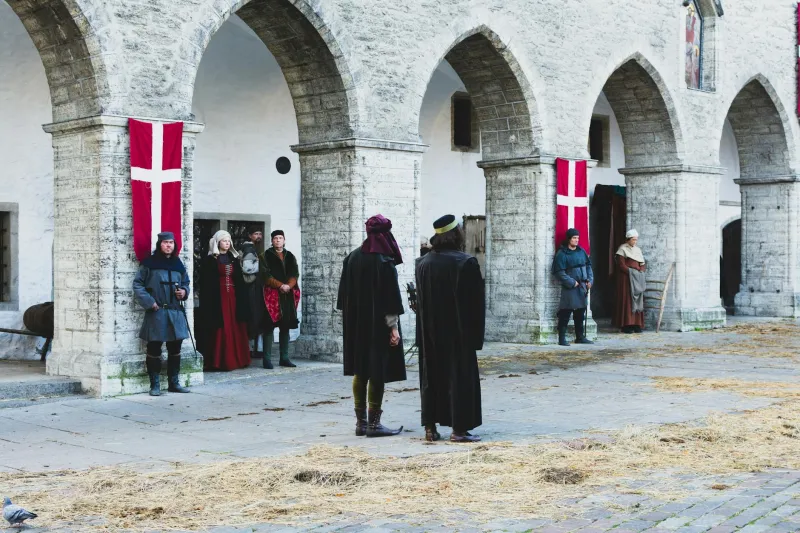
Today's Ludlow Medieval Christmas celebration seeks to recreate this rich tradition of festive entertainment through carefully researched historical reenactment. Modern performers study medieval manuscripts, archaeological evidence, and surviving folk traditions to reconstruct authentic experiences that capture the spirit if not always the exact letter of medieval performance.
Visitors to contemporary celebrations can witness mummers' plays performed in their original context, hear minstrels singing centuries-old carols, and watch jongleurs demonstrate skills passed down through generations. These performances offer more than nostalgic entertainment; they provide genuine insights into the cultural values, social structures, and artistic achievements of medieval England.
The Enduring Legacy
The influence of medieval Christmas performers extends far beyond their historical moment. Many traditions they established—carol singing, Christmas plays, festive processions—continue to shape modern celebrations. Their emphasis on community participation, seasonal storytelling, and the transformative power of performance remains relevant in our digital age.
As Ludlow's medieval Christmas celebration demonstrates, these forgotten voices still have the power to enchant and inspire. In recreating their performances, we connect not only with our historical heritage but with fundamental human needs for story, song, and shared celebration that transcend the centuries.