Reclaiming Christmas: Britain's Flight from Commerce to Community Heritage
Across Britain, a quiet revolution unfolds each December as thousands of families abandon the fluorescent-lit corridors of shopping centres for the flickering torchlight of heritage celebrations. Ludlow's Medieval Christmas stands at the forefront of this cultural shift, representing something far more significant than nostalgic entertainment – it embodies a growing rejection of commercialised festivity in favour of authentic community experience that connects participants with deeper seasonal meanings.
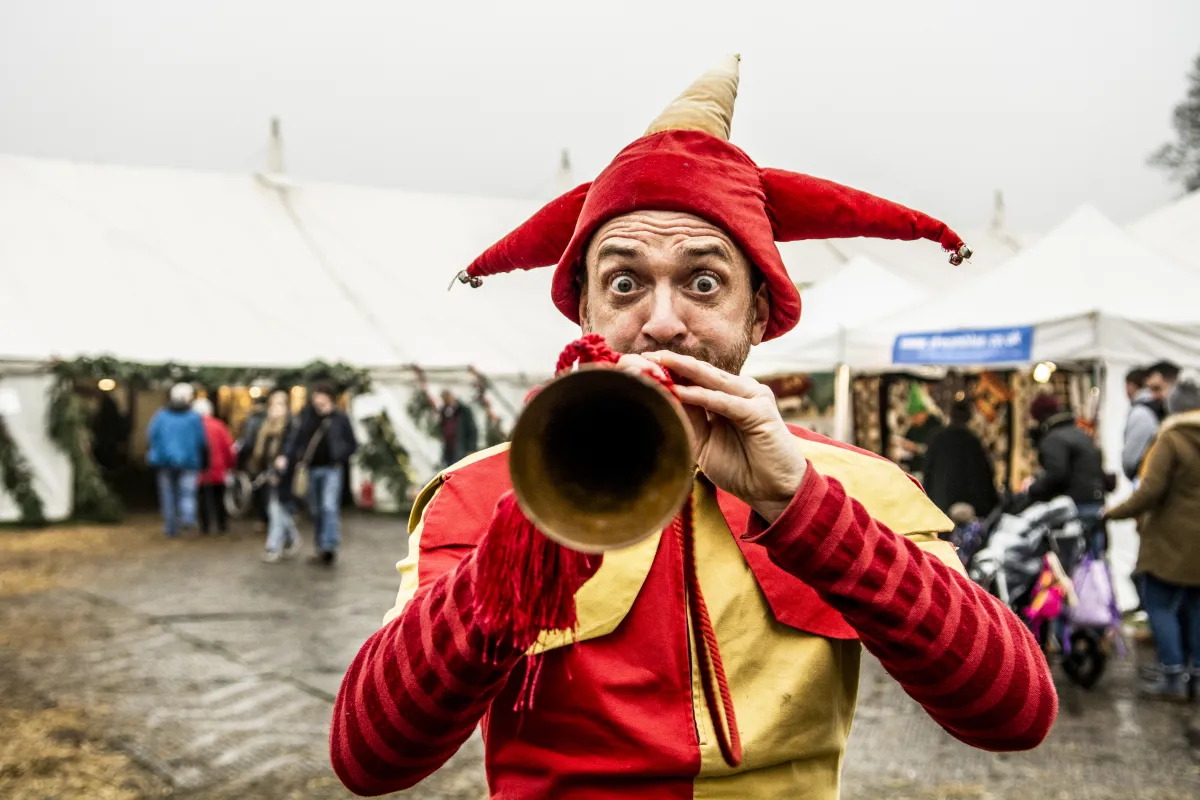 Photo: Ludlow's Medieval Christmas, via www.shropshirelive.com
This migration from mall to marketplace reflects broader cultural anxieties about modern Christmas's trajectory, where the original celebration has become increasingly obscured beneath layers of commercial imperative. For growing numbers of Britons, events like Ludlow's festival offer redemptive alternatives that restore Christmas to its roots in community gathering, seasonal reflection, and shared cultural memory.
The Exhaustion of Commercial Christmas
Modern Christmas shopping has evolved into an endurance test that begins before Halloween and culminates in Boxing Day sales, creating a relentless cycle of consumption that leaves many participants feeling spiritually and financially depleted. The average British family now spends over £800 on Christmas, much of it on items that provide temporary pleasure before joining the post-holiday decluttering exodus to charity shops.
 Photo: Boxing Day, via s.calendarr.com
Ludlow's Medieval Christmas offers a stark contrast to this commercial treadmill. Visitors invest in experiences rather than objects, creating memories that appreciate rather than depreciate over time. The festival's emphasis on craft demonstrations, historical interpretation, and community performance provides lasting value that mass-produced gifts cannot match.
The shift represents more than financial prudence – it reflects growing awareness that commercial Christmas often fails to deliver the emotional satisfaction it promises. Despite unprecedented spending power and retail sophistication, surveys consistently reveal that Britons find modern Christmas increasingly stressful and unsatisfying, suggesting that material abundance cannot substitute for meaningful community connection.
Authenticity as Antidote
Heritage events like Ludlow's festival succeed because they offer something commercial Christmas cannot: genuine authenticity rooted in historical continuity. The medieval marketplace recreates trading relationships based on personal interaction rather than corporate transaction, whilst traditional crafts demonstrate skills that connect participants with centuries of cultural development.
This authenticity extends beyond historical accuracy to encompass emotional truth. The festival's emphasis on seasonal celebration, community gathering, and shared storytelling addresses fundamental human needs that modern commercial Christmas often neglects in favour of individual consumption. Participants experience Christmas as communal celebration rather than private acquisition, rediscovering the social dimensions that originally defined the season.
The medieval setting provides particularly powerful contrast to contemporary commercial culture. Where modern Christmas emphasises novelty and disposability, medieval celebration focused on tradition and continuity. Where contemporary retail promotes individual satisfaction, historical Christmas prioritised community cohesion and mutual obligation.
The Community Imperative
Ludlow's festival succeeds because it recreates the community bonds that commercial Christmas has systematically eroded. Modern retail encourages anonymous transactions in impersonal environments, whilst heritage celebrations foster face-to-face interaction between participants who share common interests and values.
The festival's volunteer-driven organisation exemplifies this community ethos. Participants contribute time and skills rather than simply spending money, creating investment in collective success that commercial Christmas cannot replicate. This collaborative approach generates social capital alongside cultural experience, building relationships that extend beyond the festival period.
For many families, heritage events provide rare opportunities for intergenerational bonding around shared cultural experiences. Children who might struggle to engage with traditional museum visits become captivated by living history presentations, whilst grandparents find common ground with younger relatives through storytelling and craft activities that bridge generational divides.
Slow Christmas: Embracing Seasonal Rhythms
The heritage festival movement aligns with broader cultural trends towards "slow living" that prioritises quality over quantity and mindfulness over consumption. Ludlow's Medieval Christmas embodies these values through its emphasis on traditional crafts, seasonal foods, and contemplative entertainment that encourages participants to engage deeply rather than consume rapidly.
This approach contrasts sharply with commercial Christmas's frenetic pace, where success is measured by acquisition speed rather than experience depth. Heritage celebrations encourage visitors to linger, observe, and participate actively rather than simply purchase and depart. The resulting experiences prove more memorable and meaningful than rapid retail transactions.
The festival's connection to seasonal cycles provides additional appeal for participants seeking to reconnect with natural rhythms that modern life often obscures. Medieval Christmas celebrations acknowledged winter's challenges whilst celebrating community resilience, offering frameworks for understanding seasonal experience that commercial Christmas largely ignores.
Cultural Resistance and Identity
For many participants, choosing heritage celebrations over commercial alternatives represents conscious cultural resistance against globalised consumer culture. Events like Ludlow's festival assert distinctively British values and traditions that risk disappearing beneath homogenised international retail formats.
This cultural nationalism operates through inclusion rather than exclusion, celebrating shared heritage whilst welcoming participants from diverse backgrounds who seek authentic community experience. The festival's emphasis on historical education and cultural continuity appeals to visitors who value learning and tradition over novelty and consumption.
The medieval setting provides particularly powerful symbolic resonance for participants concerned about cultural authenticity. Medieval Christmas represents a time when celebration emerged from community need rather than commercial manipulation, offering models for contemporary celebration that prioritise relationship over transaction.
Economic Democracy Through Heritage Tourism
Heritage events like Ludlow's festival demonstrate alternative economic models that distribute benefits more equitably than concentrated commercial retail. Festival spending supports local businesses, independent craftspeople, and community organisations rather than multinational corporations, creating economic democracy through consumer choice.
This localised economic impact appeals to participants who recognise that their spending choices carry political implications. By supporting heritage events, visitors invest in community sustainability and cultural preservation rather than distant shareholder profits, creating economic relationships that reflect their values.
The festival's emphasis on traditional skills and local production provides additional appeal for participants concerned about environmental sustainability and economic justice. Handcrafted goods produced locally using traditional methods offer superior alternatives to mass-produced imports, whilst supporting artisans who maintain valuable cultural skills.
The Future of Festive Choice
Ludlow's Medieval Christmas represents more than historical recreation – it demonstrates viable alternatives to commercial Christmas that satisfy deep human needs for community, authenticity, and meaningful celebration. As more Britons recognise these alternatives' superior value, heritage festivals are likely to expand their influence on broader Christmas culture.
This transformation need not eliminate commercial Christmas entirely but rather rebalance seasonal celebration towards experiences that provide lasting satisfaction over temporary gratification. The growing popularity of heritage events suggests that increasing numbers of Britons are ready for this rebalancing, seeking Christmas experiences that nourish rather than exhaust.
The medieval marketplace offers a glimpse of Christmas future as much as Christmas past – a vision of celebration rooted in community rather than commerce, tradition rather than novelty, and shared experience rather than individual consumption. For thousands of visitors each year, Ludlow's festival provides not merely entertainment but inspiration for reclaiming Christmas from commercial culture and returning it to its roots in human community.
In choosing torchlight over tinsel, these visitors demonstrate that authentic celebration remains possible in an increasingly artificial world, offering hope that Christmas can recover its original meaning as a season of community, reflection, and shared joy rather than stressed consumption and financial anxiety.