When Ancient Words Dance on Modern Tongues
Amidst the timber-framed streets of Ludlow's medieval Christmas celebration, something extraordinary unfolds that extends far beyond the visual spectacle of period costumes and authentic crafts. Listen carefully as you wander through the bustling marketplace, and you'll catch fragments of a language that hasn't been commonly spoken for over five centuries. The festival's commitment to authenticity has sparked a remarkable linguistic revival, with performers, traders, and guides painstakingly learning to speak as their medieval counterparts would have done.
This linguistic journey began three years ago when festival organisers partnered with medieval language specialists from the University of Birmingham to create an authentic verbal experience. The result is a celebration where Middle English phrases naturally weave through conversations, transforming the atmosphere from mere historical recreation to genuine time travel.
The Scholar's Quest: Reconstructing Medieval Speech
Dr. Margaret Thornfield, the festival's linguistic consultant, explains the meticulous process behind this revival: "We're not simply teaching actors to pronounce archaic words. We're reconstructing the living language of 14th and 15th-century Ludlow, complete with regional dialects and social distinctions."
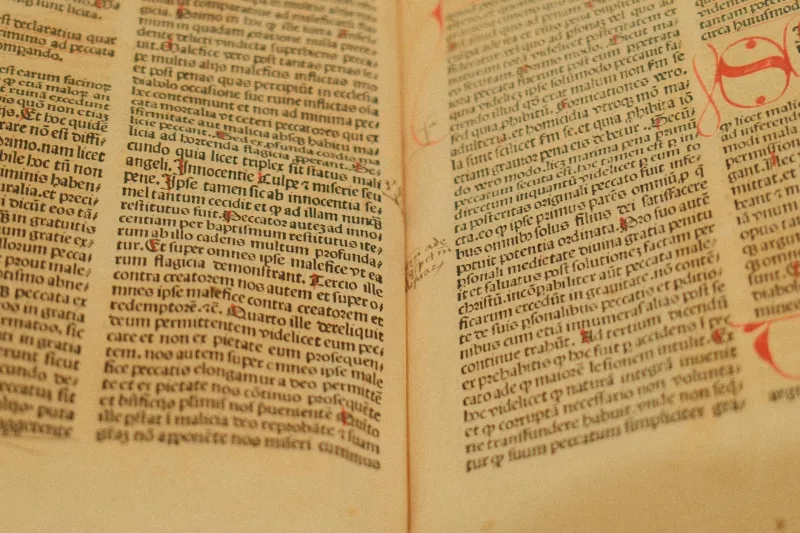
The research draws from court records, guild documents, and merchant accounts preserved in Ludlow's archives. These historical documents reveal how medieval residents would have greeted customers, haggled over prices, and exchanged seasonal pleasantries. The team discovered that Ludlow's position as a major wool trading centre meant its residents would have been particularly sophisticated in their commercial language, mixing local Shropshire dialect with French-influenced terms from continental trade.
From Marketplace Cries to Festive Greetings
The most striking examples of this linguistic revival occur in the festival's marketplace, where traders have mastered the art of medieval salesmanship. Instead of modern advertising slogans, visitors hear authentic cries of "Fresh baken breed!" and "Fine woollen cloth, woven fair!" These aren't random approximations but carefully researched phrases that would have echoed through Ludlow's streets six centuries ago.
The seasonal greetings prove equally fascinating. Rather than "Merry Christmas," festival participants have embraced "Glad Yuletide" and the traditional wassailing cry of "Waes hael!" (be whole), to which the proper response is "Drinc hael!" (drink and be whole). These exchanges create moments of genuine connection between visitors and performers, transforming casual encounters into authentic historical experiences.
The Living Legacy of Medieval Words
Many visitors are surprised to discover how much Middle English survives in modern speech. Words like "wassail," "yuletide," and "hearth" remain unchanged, while others have evolved subtly. The medieval "Cristemasse" became our "Christmas," and "gilde" transformed into "guild." Festival guides delight in pointing out these linguistic connections, helping visitors recognise their own medieval heritage.
However, some of the most beautiful medieval expressions have vanished entirely from modern usage. The phrase "Blithely met" served as both greeting and blessing, while "God ye good even" carried far more warmth than our abbreviated "good evening." The festival's revival of these lost expressions offers glimpses into a more ceremonial, courteous age.
A Festive Glossary for Modern Pilgrims
To enhance your Ludlow experience, here are essential Middle English phrases you'll encounter during the celebration:
Greetings and Farewells:
- "Godspeed" - Safe travels (still used today)
- "Blithely met" - Happily encountered
- "Fare thee well" - Farewell
Festive Expressions:
- "Waes hael!" - Be whole! (traditional toast)
- "Glad Yuletide" - Merry Christmas
- "Cristemasse joye" - Christmas joy
Marketplace Terms:
- "What chepe?" - What's the price?
- "Good pennyworth" - Good value
- "Fresh vitaille" - Fresh food
Social Courtesies:
- "Grammercy" - Great thanks
- "I prey thee" - I pray thee/please
- "By your leave" - With your permission
The Performers' Challenge
Learning to speak Middle English authentically requires more than memorising vocabulary. Performers must master the rhythm and cadence of medieval speech, which differed significantly from modern patterns. The language flowed more slowly, with greater emphasis on courtesy and ceremony. Even simple transactions became elaborate verbal dances of respect and consideration.
Sarah Mitchell, who portrays a medieval wool merchant, describes the transformation: "Initially, the words felt clumsy and artificial. But after months of practice, I find myself thinking in Middle English during the festival. It completely changes how I interact with visitors – there's a dignity and warmth to medieval courtesy that we've lost in modern life."
Beyond the Festival: A Living Heritage
The linguistic revival extends beyond the festival weekend itself. Local schools have incorporated medieval language lessons into their history curricula, while the town's tourist guides increasingly pepper their year-round tours with Middle English explanations. This commitment ensures that Ludlow's medieval linguistic heritage remains alive throughout the year, not merely dusted off for the Christmas celebration.
The festival has also inspired similar linguistic revivals at medieval events across Britain, creating a network of historically authentic celebrations where visitors can experience the true sound of medieval England. This growing movement represents more than historical curiosity – it's a recognition that language shapes experience, and that authentic medieval speech can transport us across centuries in ways that costume and scenery alone cannot achieve.
As you wander through Ludlow's medieval Christmas celebration, listen for these ancient voices speaking across time. When a trader calls "Godspeed, good master!" or a performer wishes you "Glad Yuletide," you're experiencing more than entertainment – you're participating in the resurrection of England's linguistic heritage, one carefully pronounced syllable at a time.