When Winter Struck With Vengeance: Medieval Ludlow's Battle Against Nature's Cruelest Seasons
The cosy glow of today's Ludlow Medieval Christmas celebration masks a far harsher reality that once gripped this Shropshire market town. Between the 13th and 15th centuries, during the climatic period historians term the Little Ice Age, winter arrived in Ludlow with a ferocity that modern visitors can scarcely imagine. Yet it was precisely during these most challenging periods that the town's Christmas traditions were forged in the crucible of survival, creating celebrations that prioritised community solidarity over individual comfort.
The Frozen River Teme: Nature's Transformation
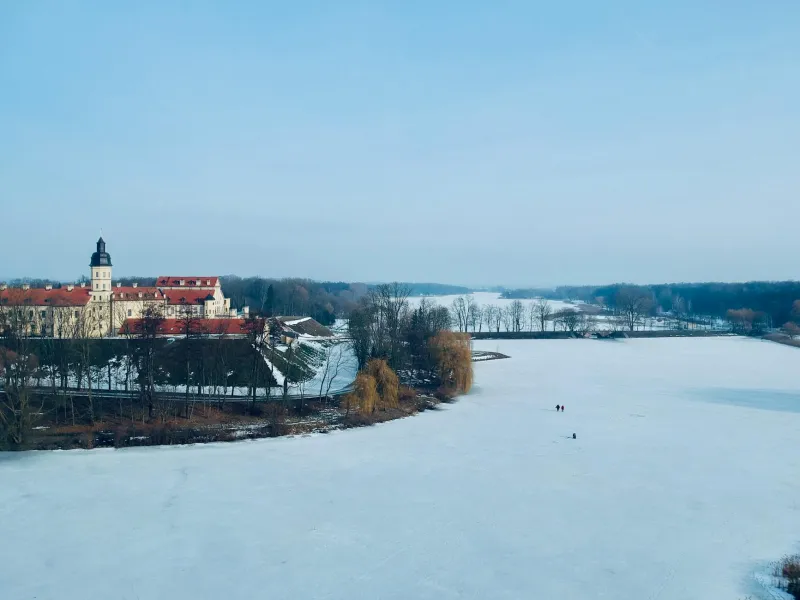
Contemporary chronicles paint a picture of winters so severe that the River Teme—Ludlow's commercial lifeline—regularly froze solid enough to bear the weight of loaded carts. The Annals of Wigmore Abbey record that in 1309, the river remained frozen for nearly three months, transforming the landscape into an alien world that challenged every aspect of medieval life.
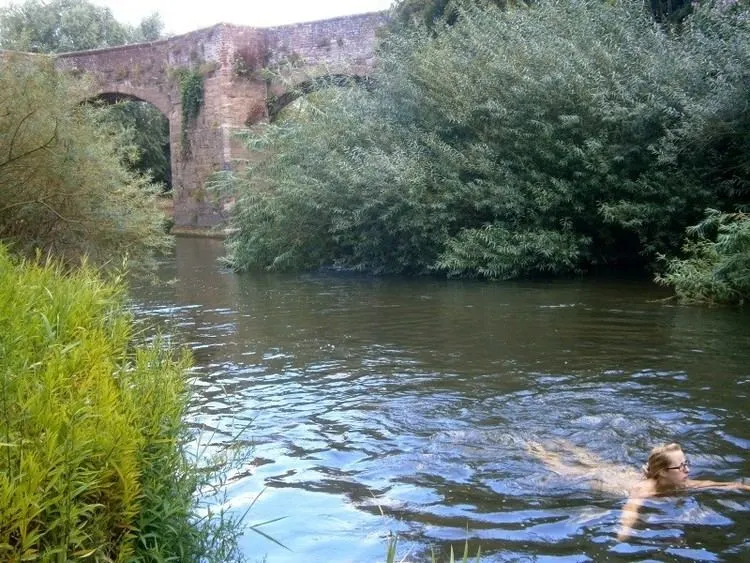 Photo: River Teme, via alchetron.com
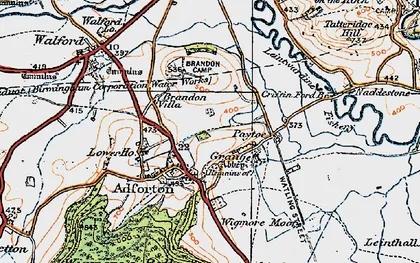 Photo: Wigmore Abbey, via maps.francisfrith.com
When the Teme froze, Ludlow's mill wheels stopped turning, cutting off the grain processing that sustained the town's population. Yet rather than abandoning their Christmas celebrations, residents adapted with remarkable creativity. Archaeological evidence from middens around the town suggests that during these frozen periods, families pooled resources to maintain communal ovens, sharing fuel and labour to ensure that Christmas bread could still be baked despite the challenges.
The frozen river also created unexpected opportunities. Chronicles describe impromptu Christmas markets held directly on the ice, with merchants from neighbouring settlements crossing the solid surface to trade goods that couldn't reach Ludlow by the usual routes. These ice markets became legendary throughout Shropshire, drawing visitors who marvelled at the sight of commerce conducted on what had been flowing water just weeks before.
Harvest Failures and Community Response
The Little Ice Age brought shortened growing seasons that regularly devastated harvests throughout the Welsh Marches. The Ludlow Corporation records from 1315-1317 document the worst famine in British history, when three consecutive harvest failures left the population facing starvation. Yet even during these desperate years, Christmas celebrations continued, albeit transformed by necessity into exercises in community survival.
Parish records reveal that during famine years, Christmas feasting became communal affairs organised by the Church and wealthy merchants. Rather than individual family celebrations, the town gathered in Ludlow's great hall and parish churches for shared meals that stretched meagre provisions to feed as many people as possible. These communal Christmas dinners weren't charity but carefully organised community responses that maintained social bonds during the most challenging periods.
The menu for these survival Christmases bore little resemblance to medieval feasting as typically imagined. Pottage made from whatever grains could be obtained formed the foundation, supplemented by preserved meats that had been carefully rationed throughout the winter months. Yet contemporary accounts suggest that these austere celebrations often generated stronger community bonds than the abundant feasts of prosperous years.
Disease and the Christmas Sanctuary
Brutal winters brought disease that threatened to devastate Ludlow's population. The cramped conditions necessary for warmth created perfect breeding grounds for illness, whilst malnutrition weakened immune systems already stressed by cold and hardship. The Black Death of 1348-1349 struck during one of the harshest winters on record, creating a perfect storm of mortality that could have extinguished Christmas traditions entirely.
Yet it was during these plague years that some of Ludlow's most enduring Christmas customs emerged. Unable to gather in large groups for fear of contagion, families developed elaborate window displays and doorway decorations that allowed celebration whilst maintaining safe distances. The tradition of Christmas candles placed in windows—still echoed in today's festival—originated as a way of sharing festive light whilst avoiding dangerous gatherings.
Church records from plague years reveal the development of outdoor Christmas services, with congregations gathering in the castle bailey or market square to maintain religious observances whilst minimising infection risk. These open-air celebrations, conducted despite bitter cold, demonstrated a level of devotion that transformed hardship into spiritual strength.
Ingenious Adaptations: Medieval Innovation
The harsh conditions of the Little Ice Age sparked innovations that reveal medieval Ludlow's remarkable adaptability. Building records show the development of improved heating systems, with shared chimneys and communal warming rooms that allowed multiple families to pool fuel resources whilst maintaining separate living spaces.
Perhaps most ingenious were the portable braziers that allowed Christmas celebrations to move indoors and outdoors as conditions demanded. Archaeological excavations have revealed sophisticated portable heating devices that could be quickly assembled for outdoor gatherings or dismantled when fuel became scarce.
Food preservation techniques developed during these harsh winters created many of the flavours we associate with medieval Christmas today. The heavily spiced, preserved fruits and meats that characterise period Christmas foods weren't luxurious indulgences but practical solutions to the challenge of maintaining nutrition during months when fresh provisions were impossible to obtain.
The Human Cost and Spiritual Response
The toll of these brutal winters was measured not just in economic hardship but in human lives. Parish burial records from the worst winters show mortality rates that would be considered catastrophic by modern standards. Yet rather than abandoning celebration, these losses intensified the spiritual significance of Christmas for medieval Ludlow's residents.
Church accounts reveal increased expenditure on Christmas services during the harshest years, with communities investing their scarce resources in elaborate religious observances that provided both spiritual comfort and social cohesion. The Christmas plays and pageants that became central to Ludlow's festive traditions often incorporated themes of survival, redemption, and community solidarity that directly reflected the challenges residents faced.
Lessons from the Medieval Deep Freeze
The story of medieval Ludlow's Christmas celebrations during the Little Ice Age offers profound insights into human resilience and the true meaning of festive tradition. When modern visitors enjoy the carefully orchestrated comfort of today's Medieval Christmas celebration, they're participating in traditions that were literally forged in ice and tempered by hardship.
These historical experiences remind us that Christmas traditions weren't created during times of abundance but during periods when celebration required genuine sacrifice and community commitment. The warmth of shared fires, the sweetness of carefully hoarded spices, and the joy of communal singing held meanings that transcended mere pleasure—they represented triumph over conditions that threatened the very survival of community life.
As we walk through Ludlow's medieval streets during the modern Christmas celebration, wrapped in warm clothing and confident of returning to heated homes, we follow paths carved by people whose determination to maintain festive traditions despite unimaginable hardship created the cultural foundations that continue to bring communities together today. Their legacy reminds us that the true spirit of Christmas lies not in comfort or abundance, but in the human capacity to create light, warmth, and joy even in the darkest of times.