Beyond Modern Hotels: Sleeping Where History Lives
Your medieval Christmas experience needn't end when the festival gates close for the evening. Shropshire's rich heritage has blessed the Ludlow area with an extraordinary collection of genuine historical properties that continue to welcome guests as they have for centuries. These aren't merely themed hotels but authentic buildings where medieval travellers, pilgrims, and merchants once rested their heads.
Choosing the right accommodation transforms your visit from a day trip into a complete historical immersion. Wake to the same timber beams that sheltered travellers five centuries ago, breakfast in halls where medieval merchants planned their trading routes, and sleep in chambers that witnessed the very Christmas traditions Ludlow's festival celebrates today.
The Ancient Art of Medieval Hospitality
Medieval hospitality operated on principles that modern hotels would recognise—comfort, security, and sustenance for weary travellers. However, the social dimensions differed significantly. Inns served as community gathering places where news was shared, business conducted, and relationships forged over shared meals and evening entertainment.
Many of Ludlow's heritage accommodations maintain these traditions. Communal dining areas encourage conversation between guests, creating the social atmosphere that characterised medieval hospitality. Some properties still feature the large fireplaces that served as focal points for evening gatherings, where travellers would share stories and local residents would join visitors for news from distant places.
Understanding these historical contexts enhances your appreciation of staying in genuine heritage properties. You're not simply occupying a room but participating in hospitality traditions that span centuries of British travel culture.
Timber-Framed Treasures: Coaching Inns with Character
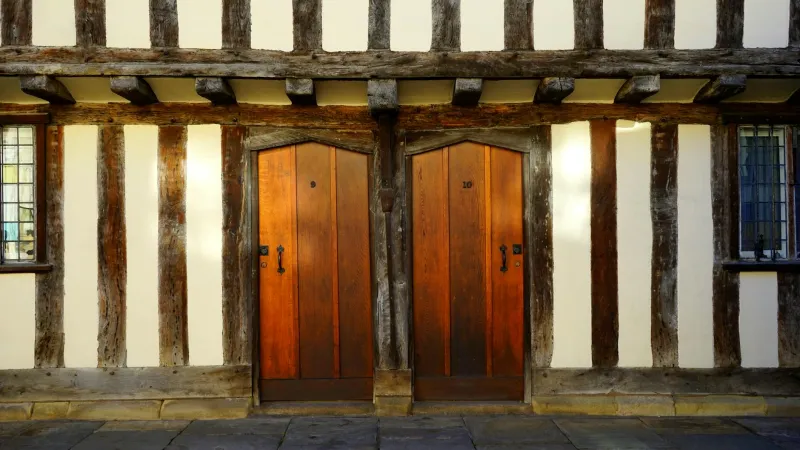
The area surrounding Ludlow boasts several coaching inns that have welcomed travellers since medieval times. These properties offer the perfect balance of historical authenticity and modern comfort, having been carefully restored to preserve their character while providing contemporary amenities.
The Feathers Hotel in Ludlow itself stands as perhaps the finest example of Jacobean architecture in Britain, its elaborate timber framing and carved details creating an immediately recognisable landmark. While dating slightly later than the medieval period, it represents the continuation of building traditions that stretch back to Ludlow's earliest days as a market town.
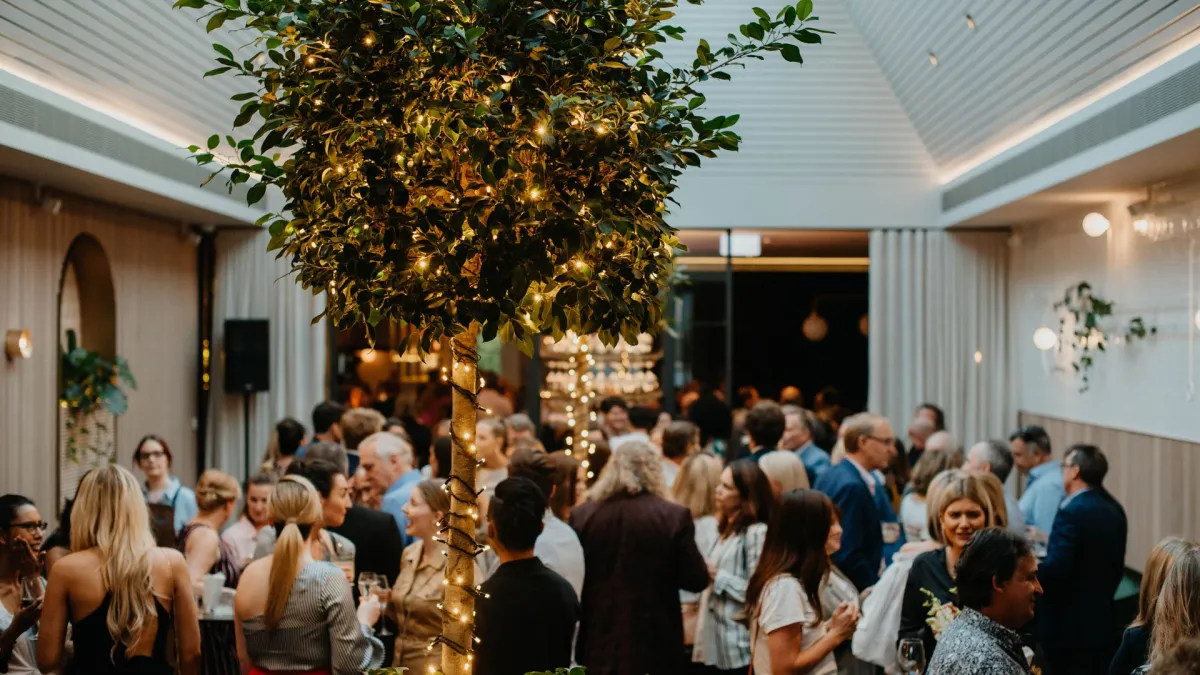 Photo: The Feathers Hotel, via www.everyeventaus.com.au
For those seeking accommodation within walking distance of the festival, several smaller inns maintain their medieval layouts. Low-beamed ceilings, uneven floors, and narrow staircases might challenge modern expectations, but they provide authentic atmosphere impossible to replicate in contemporary buildings.
Countryside Manor Houses: Living History
Shropshire's countryside surrounding Ludlow features numerous manor houses that open their doors to guests during the Christmas festival period. These properties offer a different perspective on medieval life, representing the rural aristocracy rather than the urban merchant class that dominated Ludlow itself.
Staying in a genuine manor house provides insight into the social hierarchies that medieval Christmas celebrations reflected. Many retain their original great halls, where the entire household would gather for festive meals. Some still feature the galleries where musicians would perform during celebrations, and the kitchens where elaborate feast preparations took place.
These properties often include extensive grounds that demonstrate medieval land management practices. Walking the same paths used by medieval residents, exploring kitchen gardens that supplied fresh herbs and vegetables, and seeing the practical arrangements that sustained large households adds depth to your understanding of historical daily life.
Practical Considerations for Heritage Stays
Booking accommodation in genuine historical properties requires different considerations than standard hotel reservations. Many heritage buildings feature unique room configurations, with varying sizes, ceiling heights, and amenities. Early booking is essential, particularly during the Christmas festival period when demand peaks.
Temperature control in medieval buildings operates differently than modern hotels. Stone walls provide excellent insulation but respond slowly to heating changes. Many properties provide extra blankets and guidance on managing room comfort. Embrace these characteristics as part of the authentic experience rather than viewing them as inconveniences.
Accessibility varies significantly between properties. Medieval builders didn't consider modern mobility requirements, so stairs, doorways, and bathroom facilities may not suit all visitors. Contact properties directly to discuss specific needs and available accommodations.
The Bed and Breakfast Renaissance
Shropshire's tradition of welcoming visitors into family homes creates opportunities for intimate heritage experiences. Many historic houses that aren't large enough to operate as full hotels offer bed and breakfast accommodation that provides personal attention alongside historical atmosphere.
These smaller properties often feature the most authentic medieval elements—original fireplaces, exposed timber framing, and period furniture that larger hotels might remove for practical reasons. Hosts frequently possess detailed knowledge of their property's history and can share stories that illuminate the lives of previous inhabitants.
Breakfast in these settings often features local ingredients and traditional recipes that connect directly to regional food traditions. Some hosts research historical breakfast customs and offer guests the opportunity to experience morning meals similar to those enjoyed by medieval travellers.
Booking Strategies for Festival Weekends
Ludlow's Christmas festival attracts visitors from across Britain, creating high demand for nearby accommodation. Successful booking requires advance planning and flexibility regarding exact dates and locations.
Consider staying slightly further from Ludlow centre for better availability and potentially lower prices. Shropshire's excellent road network makes drives of 15-20 minutes perfectly manageable, and countryside locations often provide more authentic historical atmosphere than urban properties.
Mid-week visits offer advantages beyond easier booking. Many heritage properties provide more personalised attention when guest numbers are lower, and hosts have more time to share historical knowledge and local recommendations.
Creating Your Complete Medieval Experience
The most successful heritage stays combine careful property selection with appropriate preparation and expectations. Research your chosen accommodation's history before arrival. Understanding the building's original purpose, its notable previous inhabitants, and its architectural significance enhances your appreciation of staying there.
Pack appropriately for historical properties. Comfortable shoes for uneven floors, layers for variable temperatures, and perhaps a torch for dimly lit corridors all contribute to enjoyable stays. Many heritage properties provide information about their unique characteristics, helping guests prepare for authentic historical experiences.
Engage with your hosts about local history and traditions. Many owners of heritage properties are passionate historians themselves and welcome opportunities to share knowledge about their buildings and the surrounding area. These conversations often provide insights unavailable from guidebooks or websites.
Your accommodation choice becomes an integral part of your Ludlow medieval Christmas adventure, extending the festival experience into every aspect of your visit and creating memories that last long after you return home.