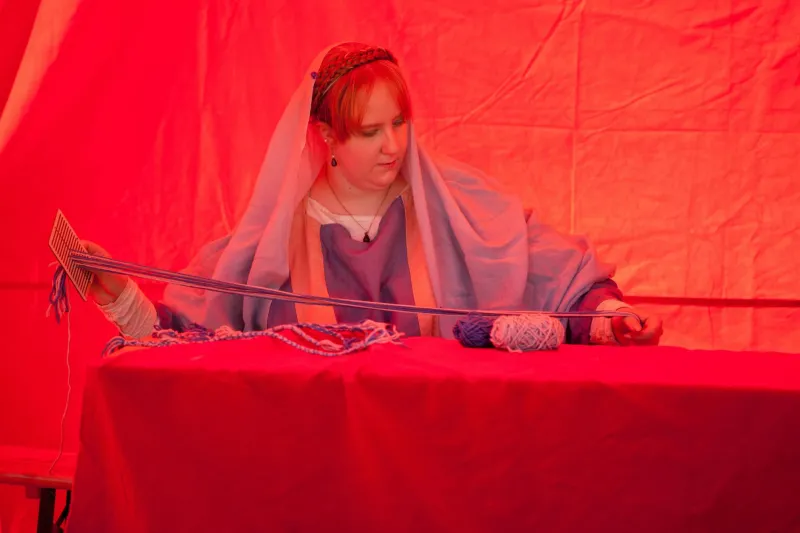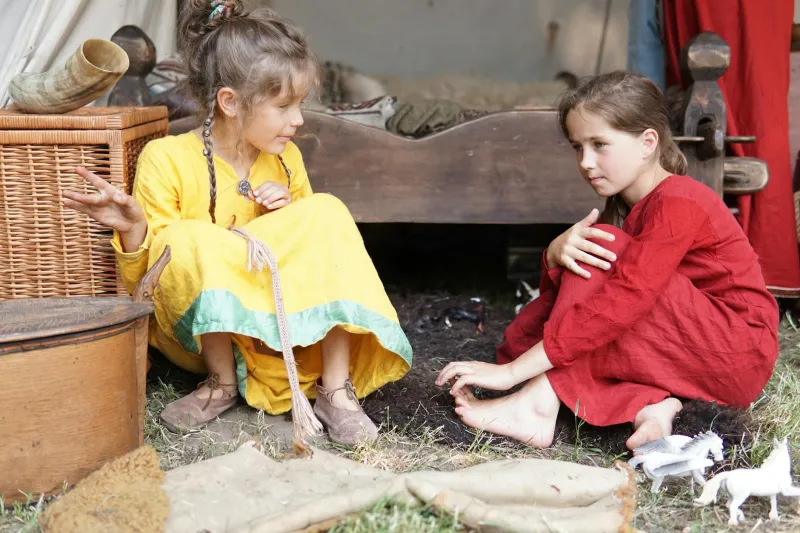
When Childhood Meant Something Different
The laughter of children echoes through Ludlow's medieval Christmas streets today, but the young lives these celebrations honour bore little resemblance to modern childhood. In medieval Ludlow, children weren't simply recipients of festive joy—they were active participants in complex social traditions that would seem extraordinary to contemporary families.
Whilst today's parents carefully orchestrate Christmas magic for their offspring, medieval Ludlow operated on entirely different principles. Children as young as seven entered apprenticeships, living away from family homes and learning trades that would define their entire existence. Christmas represented one of the few times when these young workers enjoyed genuine respite from their demanding schedules.
The Boy Bishop: When Children Ruled the Church
Perhaps no medieval tradition captures the spirit of childhood empowerment quite like the Boy Bishop ceremony, which Ludlow's Christmas festival recreates with remarkable authenticity. Every December, churches throughout medieval England—including Ludlow's magnificent St Laurence—would elect a choirboy to serve as bishop for the feast of St Nicholas.
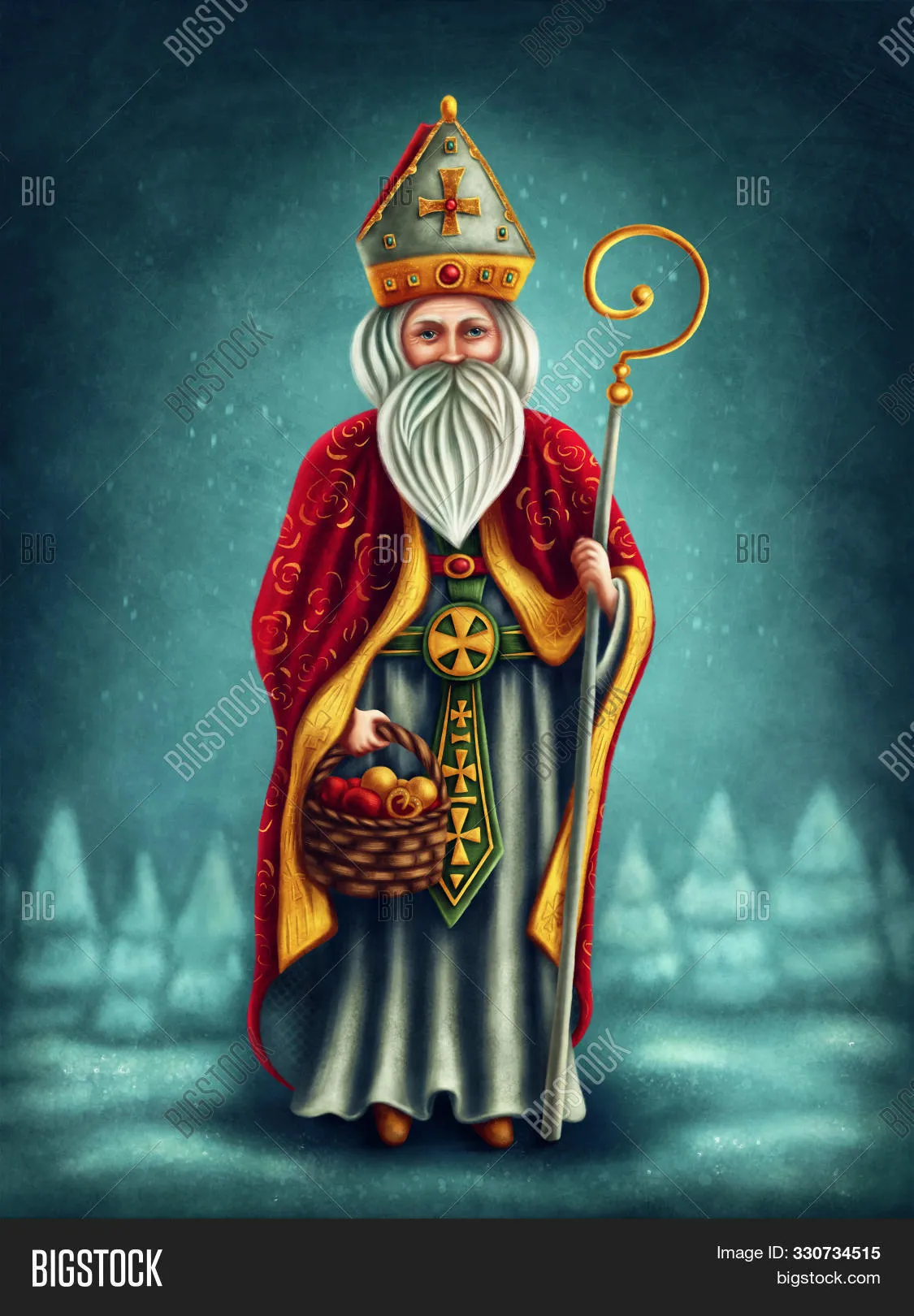 Photo: St Nicholas, via static3.bigstockphoto.com
This wasn't mere pageantry. The Boy Bishop wielded genuine authority, conducting services, delivering sermons, and even collecting tithes. In Ludlow, where the church held considerable political influence, this temporary reversal of social order carried profound significance. Children who spent eleven months obeying adult authority suddenly found themselves commanding respect from merchants, craftsmen, and even nobility.
Modern visitors to Ludlow's Christmas celebration witness carefully reconstructed Boy Bishop ceremonies, complete with period-appropriate vestments and medieval Latin chants. Children participating today experience a diluted but authentic taste of the power their medieval predecessors wielded, offering contemporary families insight into how radically different concepts of childhood authority once operated.
Feast Days and Freedom
Medieval Christmas wasn't a single day but an extended season lasting from Christmas Eve through Twelfth Night. For Ludlow's children, this represented the year's longest period of relative freedom. Apprentices received rare holidays from their masters, whilst children from merchant families enjoyed expanded social privileges typically reserved for adults.
The twelve days of Christmas allowed young people to participate in adult festivities—drinking watered wine, joining elaborate feasts, and engaging in courtship rituals that would be forbidden during ordinary times. Ludlow's wealthy wool merchants used Christmas to display their prosperity, and children played crucial roles in these demonstrations of status.
Today's festival recreates these extended celebrations, though naturally adapted for modern sensibilities. Families visiting Ludlow can observe how medieval children moved through social spaces with freedoms that seem remarkable by contemporary standards, whilst simultaneously bearing responsibilities that would challenge today's young people.
The Harsh Reality Behind the Festivities
However, romanticising medieval childhood would misrepresent the harsh realities these young lives encompassed. Child mortality rates in medieval Ludlow remained devastatingly high, with many families expecting to lose at least one child to disease, accident, or malnutrition. Christmas celebrations carried deeper significance for families who understood how precious and precarious young life truly was.
Apprentice children often endured brutal working conditions throughout the year, making Christmas freedoms particularly treasured. These young workers—some barely past toddlerhood—operated dangerous machinery, handled toxic materials, and worked exhausting hours that would horrify modern parents. Christmas represented their primary opportunity for rest, play, and family connection.
Ludlow's Christmas festival acknowledges these darker aspects without dwelling on them inappropriately. Demonstrations of medieval crafts allow modern children to appreciate the skills their predecessors mastered whilst recognising the challenging circumstances that shaped their development.
Educational Opportunities in Festive Garb
Medieval Christmas also provided educational opportunities unavailable during ordinary times. Churches offered special lessons combining religious instruction with basic literacy, whilst guild celebrations exposed children to advanced craft techniques typically reserved for senior apprentices.
Ludlow's position as a major market town meant Christmas brought merchants from across Britain and continental Europe. Children encountered foreign languages, exotic goods, and diverse cultural traditions that broadened their understanding far beyond their immediate community.
Contemporary families visiting Ludlow's celebration can observe how these educational elements are woven throughout the festival. Children participate in authentic craft workshops, learn medieval games, and engage with historical interpreters who bring these educational traditions to vivid life.
Legacy and Modern Relevance
Understanding medieval childhood in Ludlow challenges contemporary assumptions about young people's capabilities and social roles. These historical children shouldered responsibilities, exercised authority, and navigated complex social relationships that modern society might consider inappropriate for their age groups.
Yet they also enjoyed freedoms—particularly during Christmas—that today's heavily scheduled children might envy. The seasonal nature of their liberation, the community support systems that protected them, and the clear pathways to adult responsibility offered structure that contemporary childhood sometimes lacks.
Ludlow's Christmas festival succeeds because it doesn't simply recreate medieval traditions but helps modern families understand how these historical practices addressed universal human needs. Children's desire for autonomy, meaningful work, and community recognition transcends historical periods, making these medieval customs surprisingly relevant to contemporary family life.
When your children participate in Ludlow's medieval Christmas celebrations, they're not just playing dress-up or enjoying historical entertainment. They're connecting with centuries of young lives who found joy, purpose, and identity within traditions that continue to resonate across the generations.