The Making of a Frontier Fortress
Ludlow exists because of war. Without the brutal realities of medieval border conflict between England and Wales, this Shropshire market town would never have developed the extraordinary character that draws thousands to its Christmas celebrations today. The very streets where visitors now enjoy mulled wine and medieval entertainment were once the front lines of a centuries-long struggle that forged one of Britain's most distinctive historical identities.
The Norman conquest of England in 1066 created an immediate problem: Wales remained unconquered, hostile, and dangerously close to England's new Norman heartlands. The solution was radical—grant extraordinary powers to a new class of warrior-nobles, the Marcher Lords, who would hold the Welsh frontier through force of arms and sheer bloody-minded determination.
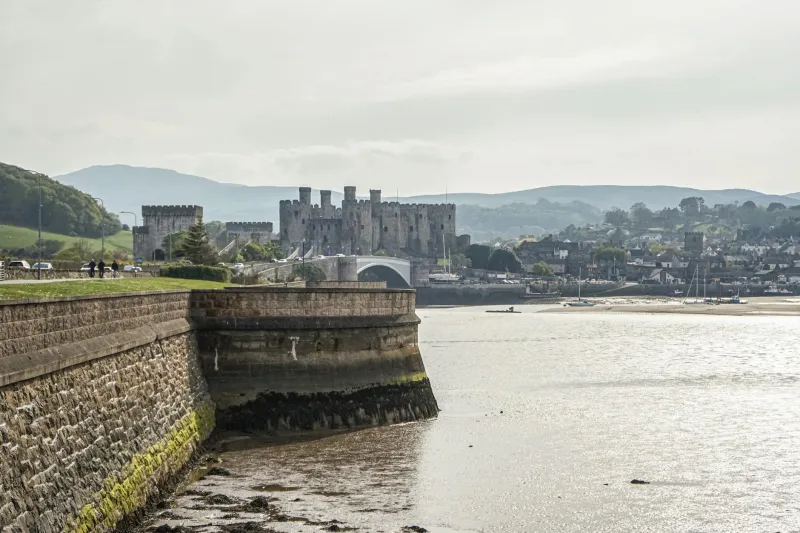
Ludlow Castle, the magnificent fortress that dominates today's Christmas festival, wasn't built for show. It was constructed as the administrative centre for one of the most powerful Marcher Lordships, controlling vast territories that stretched deep into Wales. The wealth that built Ludlow's stunning medieval architecture came directly from this frontier violence—taxes extracted at sword-point, tribute demanded from conquered Welsh communities, and profits from the constant military campaigns that characterised border life.
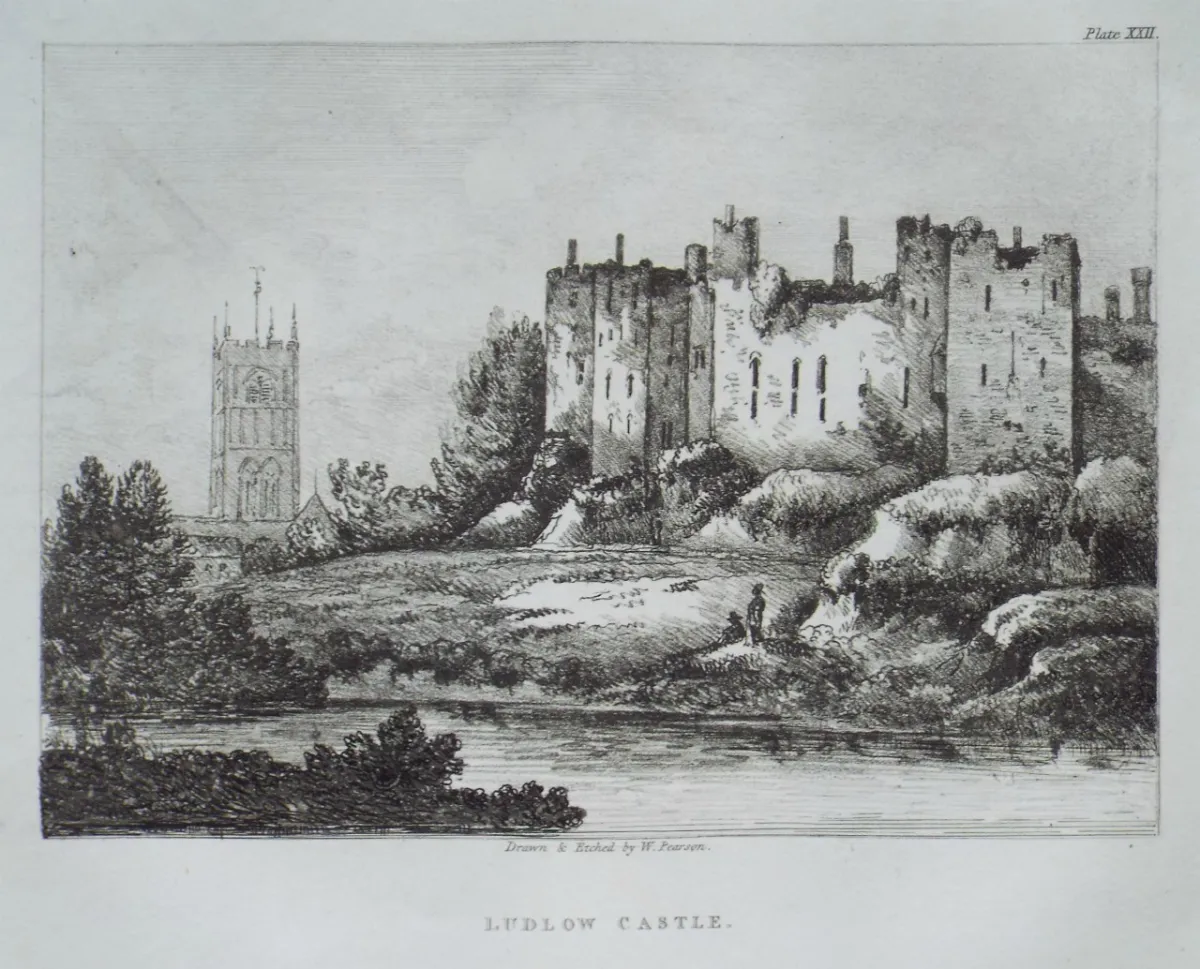 Photo: Ludlow Castle, via www.rareoldprints.com
Where Violence Bred Prosperity
The paradox of Ludlow's development challenges comfortable modern assumptions about medieval prosperity. This wasn't wealth built through peaceful trade or agricultural abundance—it was money earned through conquest, intimidation, and the systematic exploitation of a contested frontier. The magnificent buildings visitors admire during Christmas celebrations stand as monuments to successful medieval imperialism.
Marcher Lords wielded powers that would have shocked even autocratic medieval kings. They could wage private wars, mint their own currency, establish their own laws, and execute subjects without reference to royal authority. Ludlow became the seat of the Council in the Marches of Wales, effectively governing the entire Welsh frontier as an autonomous kingdom within a kingdom.
This extraordinary political autonomy attracted ambitious nobles, skilled craftsmen, and wealthy merchants who recognised opportunity in chaos. The constant threat of Welsh raids paradoxically created economic advantages—Ludlow's merchants operated under royal protection whilst enjoying freedom from many royal taxes and regulations. The town's famous wool trade flourished precisely because frontier conditions exempted it from guild restrictions that limited commerce elsewhere.
The Cultural Crucible
Border conflict created more than just wealth—it forged a unique cultural identity that distinguishes Ludlow from every other medieval English town. Constant interaction with Welsh communities, whether through trade, intermarriage, or warfare, created a distinctive Anglo-Welsh fusion that visitors experience throughout today's Christmas festival.
Ludlow's medieval architecture reflects this cultural blending. The town's churches incorporate Welsh building techniques alongside Norman grandeur, whilst domestic buildings show influences from both English and Welsh traditions. The famous black-and-white timber framing that characterises Ludlow's most photographed buildings represents a architectural style that developed specifically in the Welsh Marches, combining English structural methods with Welsh decorative elements.
Even Ludlow's Christmas traditions show this cultural fusion. The wassailing ceremonies recreated during today's festival combine English agricultural customs with Welsh bardic traditions. The medieval carols performed in Ludlow's streets blend English religious themes with Welsh musical structures that reflect centuries of cross-border cultural exchange.
Royal Recognition and Power
Ludlow's strategic importance eventually attracted royal attention that transformed a frontier fortress into one of medieval Britain's most significant administrative centres. When Edward IV established the Council in the Marches of Wales at Ludlow Castle, he effectively made this Shropshire market town the capital of Wales—a status it maintained for over two centuries.
This royal recognition brought unprecedented wealth and prestige. Ludlow Castle became a court where English princes learned statecraft whilst preparing to rule Wales. The future Edward V and his brother—the famous Princes in the Tower—spent their childhood at Ludlow, surrounded by the magnificent court culture that visitors glimpse during today's Christmas celebrations.
The presence of royal courts attracted the finest craftsmen, musicians, and artists from across Europe. Ludlow's medieval Christmas celebrations weren't provincial affairs but sophisticated court entertainments that rivalled anything staged in London or Paris. Today's festival recreates these traditions of excellence, drawing on centuries of accumulated expertise in staging spectacular medieval entertainment.
The Legacy of Strategic Geography
Ludlow's unique position shaped more than just its medieval development—it created lasting advantages that continue to distinguish the town today. The defensive requirements that originally attracted Norman castle-builders also provided the elevated sites and dramatic vistas that make Ludlow one of Britain's most photogenic historical towns.
The river Teme, which provided natural defence against Welsh raiders, also powered the mills that processed wool into the textiles that built Ludlow's commercial prosperity. The same geographical features that made Ludlow strategically valuable in medieval warfare make it irresistibly attractive to modern heritage tourists seeking authentic historical experiences.
The compact town centre, originally designed for rapid military deployment, now provides the perfect scale for medieval festivals. The narrow streets that once funnelled attacking Welsh forces into defensive killing zones now create intimate spaces where modern visitors can experience medieval atmosphere without the crowds that overwhelm larger heritage destinations.
Why Ludlow Remains Unmatched
No other British town can replicate Ludlow's unique combination of frontier wealth, royal patronage, and cultural fusion because no other location experienced the same historical circumstances. The specific conditions that created Ludlow—Norman conquest, Welsh resistance, Marcher Lord autonomy, and eventual royal adoption—were unrepeatable historical accidents that produced irreplaceable results.
Contemporary heritage destinations often attempt to recreate medieval atmosphere through careful staging and historical interpretation. Ludlow requires no such artifice because its medieval character remains genuinely embedded in the town's physical structure, cultural traditions, and collective memory. The Christmas festival succeeds because it celebrates authentic heritage rather than manufactured nostalgia.
Modern visitors to Ludlow's Christmas celebration aren't just observing historical recreation—they're experiencing the living legacy of one of medieval Britain's most dramatic success stories. The prosperity that built these magnificent buildings, the cultural sophistication that created these entertainment traditions, and the political importance that attracted royal patronage all stemmed directly from Ludlow's success in managing the violent realities of frontier life.
When you raise a cup of mulled wine in Ludlow's medieval streets this Christmas, you're toasting more than just historical curiosity. You're celebrating a town that transformed the brutal necessities of border warfare into lasting prosperity, cultural richness, and architectural magnificence that continues to inspire wonder seven centuries later. That transformation—from frontier fortress to heritage destination—represents one of Britain's most remarkable medieval achievements.