The Original Weather Service: Nature's Medieval Meteorologists
Centuries before the Met Office existed, the inhabitants of medieval Shropshire possessed weather forecasting abilities that would impress modern meteorologists. Their survival depended upon reading nature's subtle signals, particularly as autumn gave way to winter and Christmas preparations began in earnest. These weren't mere superstitions—they were carefully observed patterns passed down through generations, refined by necessity and validated by experience.
In the rolling hills around what would become Ludlow, medieval communities developed an intricate system of natural weather prediction that determined everything from when to slaughter livestock for Christmas feasting to whether the Christmas Eve service could safely proceed. Today's festival visitors, checking their smartphone weather apps before travelling to Ludlow, are following an impulse as old as human settlement itself.
The Wisdom of Wings: Avian Weather Prophets
Medieval Shropshire residents observed bird behaviour with scientific precision, though they lacked our modern vocabulary to describe their methods. The timing of robin migrations, the height at which swallows flew, and the feeding patterns of local corvids all provided crucial intelligence about approaching weather systems.
Rooks gathering in unusual numbers near Ludlow Castle grounds typically signalled harsh weather approaching—information that determined whether Christmas celebrations could include outdoor activities or needed to retreat indoors. The medieval saying "When smoke descends, good weather ends" often coincided with observations of birds flying lower than usual, both phenomena indicating dropping atmospheric pressure.
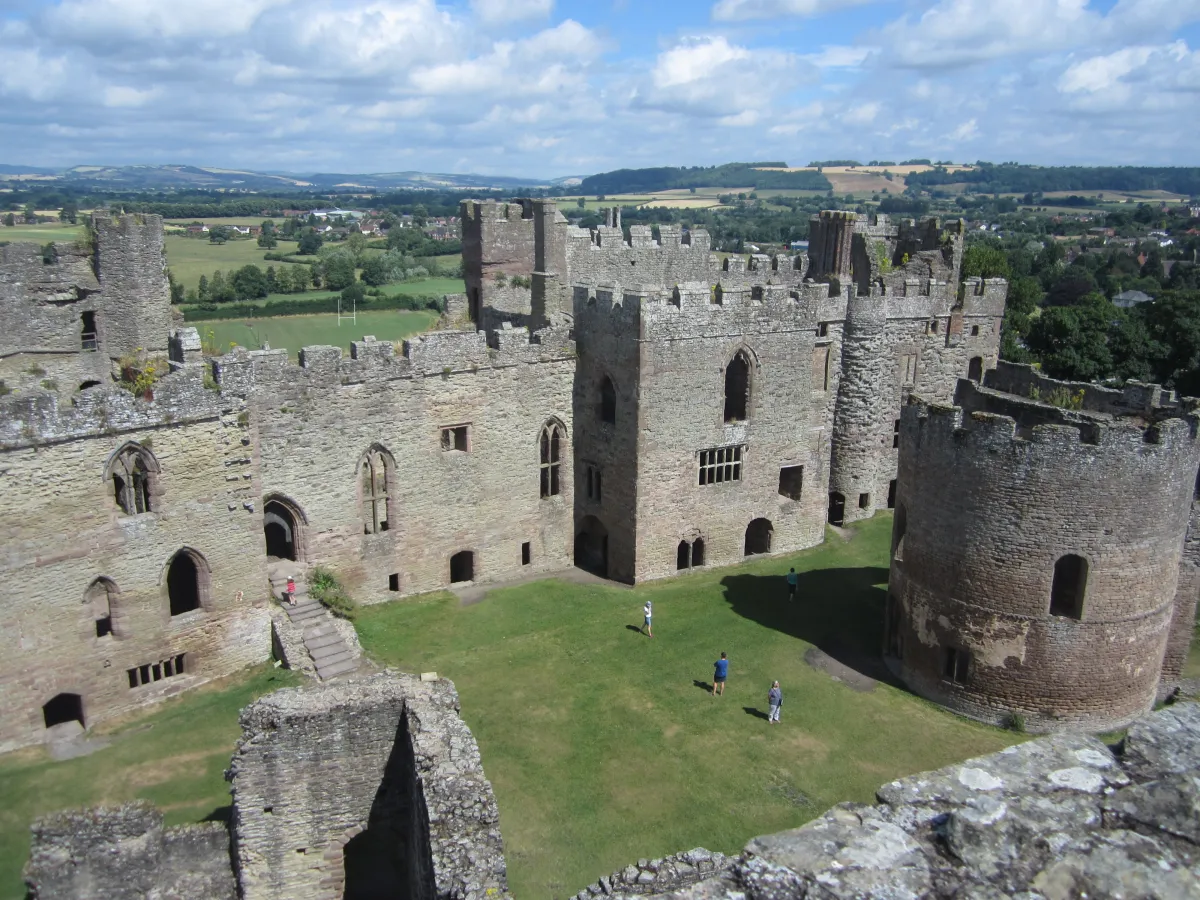 Photo: Ludlow Castle, via adventuremummy.com
Local folklore recorded that when jackdaws gathered stones in their beaks during late November, severe frost would arrive within the fortnight—crucial information for communities planning Christmas food storage and preparation. These observations weren't random; they reflected genuine understanding of how atmospheric pressure changes affect animal behaviour.
Botanical Barometers: Reading the Plant Kingdom
The medieval residents of Shropshire developed sophisticated methods for interpreting plant behaviour as weather indicators. Oak trees retaining their leaves unusually late in autumn suggested a mild winter ahead—good news for Christmas outdoor celebrations but concerning for communities who relied on hard frosts to preserve meat supplies.
Hawthorn berries provided another crucial indicator. Abundant, bright red berries in early autumn typically preceded harsh winters, as if nature was providing extra food for wildlife in anticipation of difficult months ahead. Medieval households would adjust their Christmas preparation timelines accordingly, accelerating food preservation and fuel gathering when hawthorn yields suggested severe weather approaching.
The behaviour of holly—so central to Christmas symbolism—also served practical forecasting purposes. When holly leaves grew with particularly pronounced spines, local wisdom predicted a harsh winter requiring extra protection from browsing animals. This knowledge influenced decisions about livestock management and outdoor Christmas decorating activities.
Celestial Calculations: Moon Phases and Weather Patterns
Medieval communities possessed surprisingly sophisticated understanding of lunar influences on weather patterns. The positioning and appearance of the moon during specific phases provided reliable indicators of approaching atmospheric conditions, crucial for timing Christmas preparations.
A bright, clear moon with distinct edges typically indicated high atmospheric pressure and stable weather—ideal conditions for Christmas markets and outdoor celebrations. Conversely, a hazy moon with blurred edges warned of approaching low pressure systems that could bring snow, rain, or dangerous winds.
The medieval calendar's integration of lunar phases with seasonal activities wasn't coincidental. Christmas preparations were often timed to coincide with specific moon phases that historically correlated with stable weather patterns, ensuring that crucial activities like final harvest processing and community gathering could proceed safely.
Animal Oracles: Livestock as Living Barometers
Domestic animals provided medieval weather forecasters with constantly available data sources. Cattle clustering together and turning their backs to a particular direction reliably indicated the approach of weather from that quarter. Sheep seeking higher ground or huddling in sheltered areas warned of incoming precipitation.
Pigs exhibited particularly useful weather-predicting behaviours. When they carried straw in their mouths to their sleeping areas, harsh weather typically followed within days. This behaviour, observed during late November and early December, directly influenced decisions about Christmas livestock slaughter and meat preservation timing.
Horses and oxen demonstrated weather sensitivity that medieval communities learned to interpret with remarkable accuracy. Animals becoming restless or refusing to work in particular areas often indicated atmospheric pressure changes that would bring storms within hours—crucial information for communities planning Christmas travel or outdoor activities.
Cloud Reading: The Medieval Art of Sky Interpretation
Medieval weather prediction reached its most sophisticated expression in cloud interpretation. Residents of Shropshire developed detailed vocabularies for describing cloud formations and their implications for upcoming weather patterns.
High, wispy clouds stretching across the sky like mare's tails typically preceded weather changes by 24-48 hours—perfect timing for adjusting Christmas preparation schedules. Low, fast-moving clouds indicated immediate weather changes, whilst clouds that appeared to be "boiling" or growing rapidly upward warned of severe storms approaching.
The colour and texture of clouds provided additional forecasting information. Grey clouds with yellow tinges often preceded snow, whilst clouds with green undertones typically brought severe thunderstorms. This knowledge proved crucial for communities planning Christmas Eve services or other time-sensitive celebrations.
Practical Applications: From Prediction to Preparation
These natural forecasting methods directly influenced medieval Christmas traditions in ways that modern festival visitors can still observe. The timing of Christmas food preparation, the scheduling of community gatherings, and even the selection of Christmas decorations all reflected weather predictions based on natural observations.
When natural signs indicated harsh weather approaching, communities accelerated their Christmas preparations, ensuring that essential activities concluded before dangerous conditions arrived. Conversely, predictions of mild weather allowed for more elaborate outdoor celebrations and extended Christmas market activities.
Modern Echoes of Ancient Wisdom
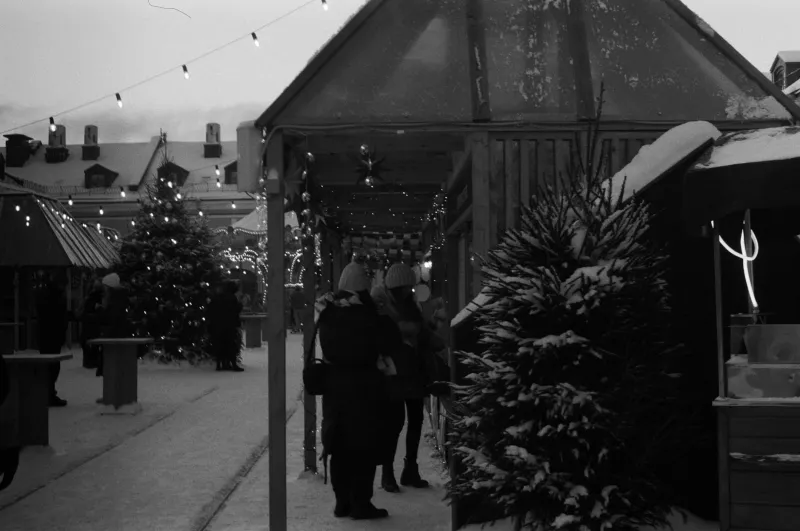
Today's Ludlow Medieval Christmas Festival incorporates these traditional weather reading methods into its programming, offering visitors opportunities to learn ancient forecasting techniques whilst experiencing their practical applications. Festival organisers still consult traditional weather signs alongside modern forecasts, maintaining connections to medieval wisdom whilst ensuring visitor safety.
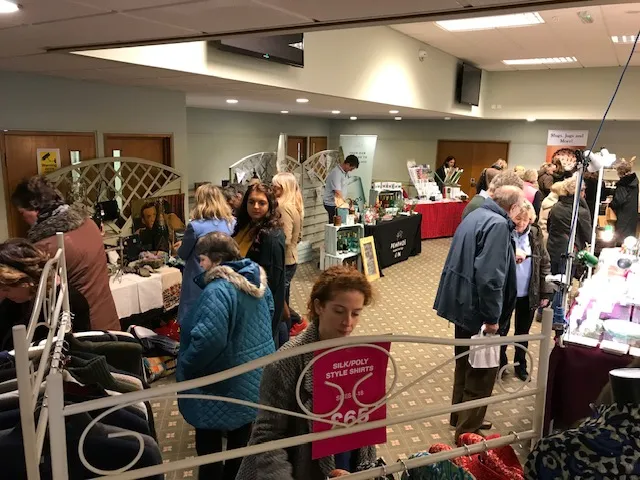 Photo: Ludlow Medieval Christmas Festival, via www.ludlowchristmasfair.co.uk
The accuracy of these traditional methods continues to impress modern meteorologists. Recent studies have validated many medieval weather prediction techniques, confirming that our ancestors' survival-dependent observations captured genuine atmospheric patterns that modern science has only recently begun to understand fully.
For festival visitors willing to observe carefully, nature still provides the same weather intelligence that guided medieval Christmas celebrations. Learning to read these natural signs adds depth to the festival experience whilst connecting modern visitors to the practical wisdom that sustained medieval communities through centuries of unpredictable winters.