The Detective Work Begins: Reading Between Medieval Lines
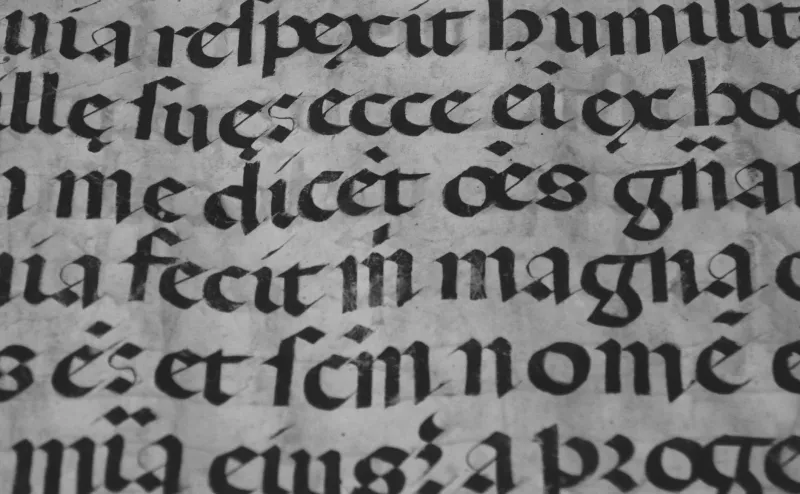
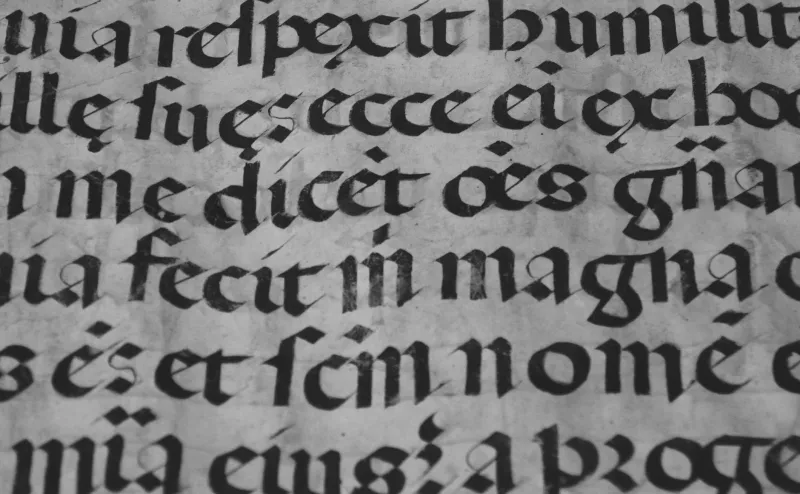
In the depths of The National Archives, beneath centuries of dust and careful preservation, lies a treasure trove that modern historians have only begun to fully appreciate. The Domesday Book's entries for Shropshire—particularly those concerning the settlements that would become medieval Ludlow—reveal far more than simple land holdings and tax obligations. They provide a forensic glimpse into the rhythms of life that would define Christmas celebrations for generations.
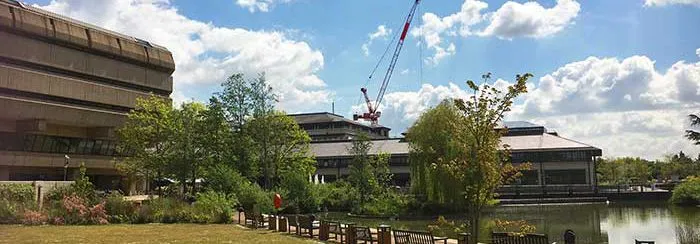 Photo: The National Archives, via www.nationalarchives.gov.uk
When William the Conqueror's commissioners arrived in 1086 to conduct their great survey, they recorded not merely who owned what, but how communities functioned. For Ludlow and its surrounding manors, these entries illuminate the agricultural cycles that determined when and how Christmas could be celebrated—insights that directly inform the authentic experiences visitors encounter at our modern festival.
The Agricultural Foundation of Medieval Christmas
The Domesday entries for Stanton Lacy, Ludford, and the nascent settlement of Ludlow reveal a community structure built around grain production, livestock management, and woodland resources. These weren't mere economic activities—they were the foundation upon which Christmas traditions developed.
Consider the recorded presence of watermills along the River Teme. These weren't simply industrial assets; they represented the community's ability to process grain efficiently, creating the surplus flour necessary for the elaborate breads and pastries that marked Christmas feasting. When modern festival visitors watch bakers recreating medieval bread-making techniques, they're witnessing traditions that the Domesday Book's mill records made possible.
The survey's careful enumeration of plough teams—eight teams recorded for the area that would become Ludlow proper—tells us about the community's capacity for grain production. This agricultural foundation determined not only what foods would grace medieval Christmas tables, but when the harvest work would end and celebration could begin.
Woodland Rights and Winter Warmth
Perhaps most fascinating are the Domesday Book's references to woodland rights and pannage—the practice of allowing pigs to forage for acorns and beechnuts. These entries reveal how medieval communities secured the meat supplies essential for Christmas feasting, whilst the woodland management practices ensured adequate fuel for the great fires that warmed Christmas gatherings.
Today's festival visitors who gather around our recreated medieval hearths are experiencing warmth generated by the same woodland management principles recorded in Norman surveys. The continuity is remarkable: the same forests that provided Christmas fuel for medieval Ludlow residents still supply the authentic wood for our festival's atmospheric fires.
Social Hierarchies and Christmas Obligations
The Domesday Book's social classifications—villeins, bordars, and serfs—illuminate how Christmas charity and community obligations developed. Medieval Christmas wasn't simply about individual celebration; it was about fulfilling social contracts that the Norman survey codified.
The recorded presence of a priest at Ludlow in 1086 suggests an established church community, crucial for understanding how religious Christmas observances developed. The survey's careful attention to church lands and obligations reveals how Christmas charity—providing for the poor, sharing feast remnants, ensuring community inclusion—became embedded in local custom.
Economic Foundations of Festive Generosity
The monetary values recorded in Domesday—Ludlow's assessment at £3 in 1086, rising from £2 before the Conquest—provide crucial context for understanding how communities could afford Christmas celebrations. These figures, when analysed alongside population estimates, reveal the economic capacity that made elaborate Christmas customs possible.
The survey's record of market rights and trading privileges helps explain how medieval Ludlow became a centre for Christmas commerce. The economic foundations laid down in Norman times created the prosperity that allowed Christmas markets to flourish—markets that our modern festival faithfully recreates.
Archaeological Connections: From Survey to Soil
Recent archaeological work has validated many Domesday Book entries, revealing the physical foundations of medieval Christmas life. Excavations near Ludlow Castle have uncovered hearths, storage areas, and food preparation spaces that align perfectly with the agricultural and domestic arrangements the Norman survey described.
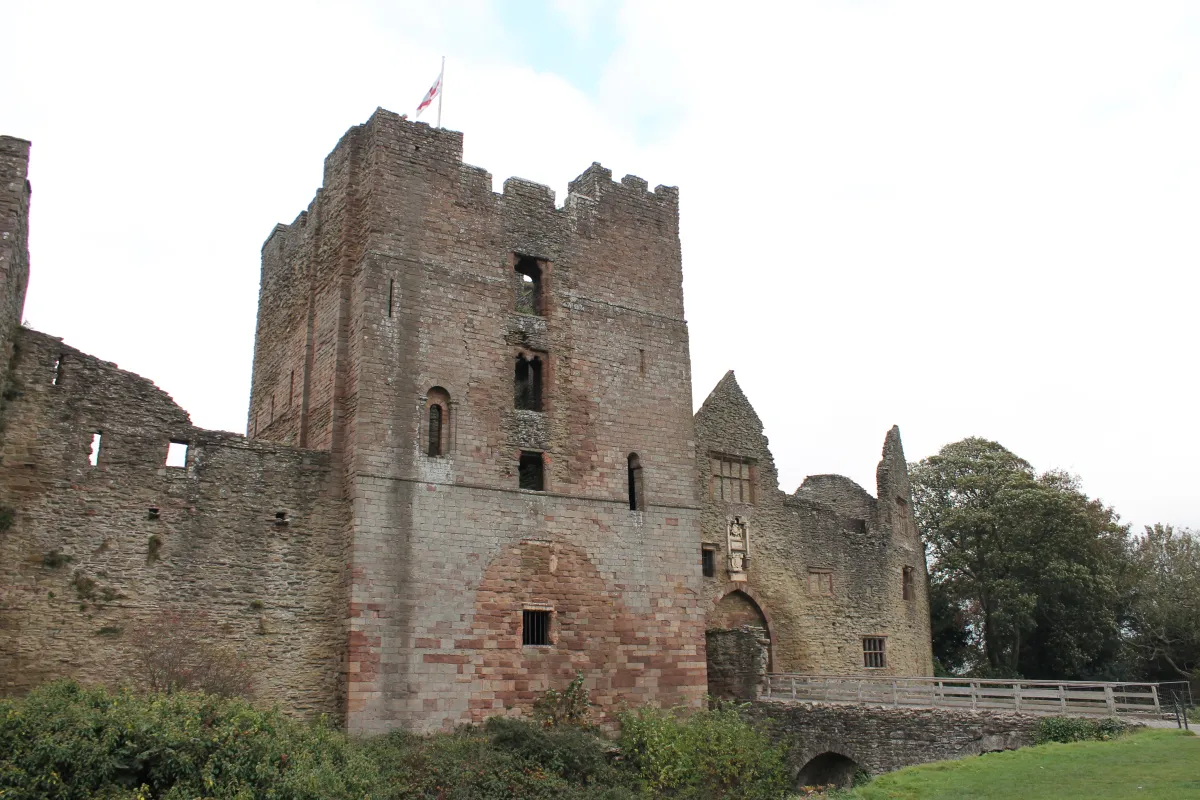 Photo: Ludlow Castle, via visionsofthepastblog.com
These discoveries help festival organisers ensure authentic recreation of medieval Christmas environments. When visitors explore our recreated medieval kitchens and storage areas, they're experiencing spaces based on archaeological evidence that confirms the Domesday Book's accuracy.
The Living Legacy of Norman Documentation
What makes Ludlow's Medieval Christmas Festival unique is its commitment to historical accuracy rooted in primary sources. The Domesday Book provides the foundational evidence that distinguishes authentic recreation from romantic fantasy.
Every aspect of our festival—from the timing of activities to the types of foods served, from the social interactions encouraged to the crafts demonstrated—draws upon the solid foundation of Norman administrative records. This forensic approach to historical recreation ensures that visitors experience not just entertainment, but education.
Modern Visitors, Medieval Insights
For today's festival visitors, understanding the Domesday Book connections adds profound depth to the experience. Watching medieval cooking demonstrations becomes more meaningful when you understand the agricultural systems that made such foods possible. Participating in medieval games and community activities gains significance when you appreciate the social structures that originally supported them.
The Norman surveyors who recorded Ludlow's details in 1086 could never have imagined that their meticulous documentation would, nearly a millennium later, help recreate the very community life they observed. Yet their work provides the authentic foundation that makes Ludlow's Medieval Christmas Festival not just entertaining, but genuinely educational—a living connection to our shared medieval heritage.