The Lost Language of Medieval Commerce
When you wander through Ludlow's Christmas festival marketplace, you're witnessing more than just theatrical performance. The vendors calling their wares, the elaborate hand gestures accompanying negotiations, and the ritualistic exchanges between merchant and customer represent a complex commercial language that governed medieval trade for centuries.
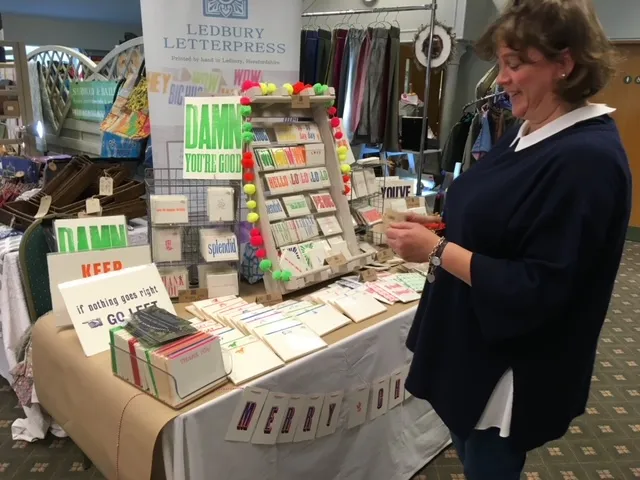 Photo: Ludlow's Christmas festival, via www.ludlowchristmasfair.co.uk
Understanding this ancient vocabulary transforms your festival experience from mere spectacle to genuine historical immersion. Each gesture, each cry, each seemingly casual interaction follows protocols developed over generations of medieval merchants who built their livelihoods on trust, reputation, and carefully coded communication.
The Sacred Rituals of Market Day
Medieval commerce operated on principles far removed from our modern shopping experiences. At Ludlow's festival, observe how traders begin their day with the ceremonial arrangement of goods—this isn't mere presentation but follows ancient protocols designed to demonstrate honesty and quality to potential customers.
The positioning of items tells a story. Premium goods placed at eye level, samples arranged for inspection, and the merchant's own hands-on demonstration of quality all follow traditions established when a trader's reputation could determine their family's survival through winter.
Watch for the subtle hand signals between vendors. These aren't random gestures but a sophisticated communication system that allowed medieval merchants to share information about customers, coordinate pricing, and even warn of potential troublemakers without alerting the general public.
Deciphering the Market Crier's Code
The rhythmic calls of Ludlow's festival criers echo genuine medieval practice, but their seemingly simple announcements contain layers of meaning. When a vendor calls "Fresh bread, warm from the oven!", they're not merely advertising—they're making a specific legal declaration about the age and quality of their goods.
Medieval trading laws required precise language. "Fresh" had legal definitions, "warm" indicated recent baking, and the phrase structure itself followed regulations designed to prevent false advertising. Modern visitors often miss these nuances, but understanding them reveals the sophisticated consumer protection systems medieval communities developed.
Listen for the subtle variations in pitch and rhythm. Experienced criers could convey additional information through these vocal techniques—indicating special prices for regular customers, signalling the quality grade of particular items, or even communicating the merchant's willingness to negotiate.
The Art of Medieval Negotiation
Haggling at Ludlow's festival follows authentic medieval protocols that transformed simple transactions into elaborate social dances. The initial price announcement serves as an opening gambit, not a fixed demand. Understanding this transforms your interaction from awkward tourist encounter to genuine historical participation.
Medieval customers were expected to engage in negotiation. Accepting the first price offered could actually insult the merchant by suggesting their goods weren't worth the effort of proper discussion. The back-and-forth serves multiple purposes: establishing the customer's seriousness, allowing the merchant to gauge purchasing power, and creating the social connection that medieval communities valued alongside commercial exchange.
Watch for the specific gestures that accompany price discussions. A merchant touching their heart indicates they're offering their "honest" price. Clasping hands suggests a deal is nearly complete. These physical cues helped overcome language barriers in medieval markets where traders might speak different dialects or languages.
Understanding Medieval Customer Service
The relationship between medieval merchant and customer differed significantly from modern retail interactions. At Ludlow's festival, notice how vendors invest time in conversation before attempting any sale. This reflects historical practice where building personal connection was essential for successful commerce.
Medieval merchants served as information brokers alongside their primary trade. Customers expected news from other towns, updates on road conditions, and advice on seasonal timing for purchases. This social dimension of commerce created loyalty that extended far beyond individual transactions.
The formal courtesy displayed by festival vendors—elaborate bows, respectful address forms, and patient explanation of goods—mirrors medieval practice where social hierarchies required specific interaction protocols. Understanding these helps visitors appreciate the complexity of historical social structures.
Practical Tips for Modern Visitors
To fully engage with Ludlow's medieval marketplace experience, approach vendors with genuine curiosity about their crafts and wares. Ask about production methods, historical accuracy, and the stories behind specific items. Most festival traders are passionate historians themselves and welcome informed questions.
Don't hesitate to participate in the negotiation ritual, even if you're not planning to purchase. The conversation itself provides valuable insight into medieval commercial culture and demonstrates respect for the historical authenticity the festival seeks to maintain.
Bring small change for purchases, as this allows participation in the traditional market experience without the anachronism of modern payment methods. Many vendors can make change, but having appropriate coins enhances the authenticity of your interactions.
The Living Heritage of Commerce
Ludlow's Christmas festival preserves more than historical curiosity—it maintains living traditions that shaped British commercial culture. The emphasis on personal relationships, quality craftsmanship, and community connection that characterises the festival's marketplace offers valuable lessons for our modern consumer society.
By understanding the language and customs of medieval commerce, visitors gain deeper appreciation for the sophisticated systems our ancestors developed. These weren't primitive arrangements but complex social and economic structures that sustained communities for generations.
Your next visit to Ludlow's medieval marketplace will reveal layers of meaning previously hidden. Each vendor call, each negotiation, each ceremonial exchange connects you directly to centuries of British commercial heritage, transforming a festive day out into genuine historical education.